
-
Ritta Modern Lantern Pendant Light, Metal/Acrylic, Beige/Coffee
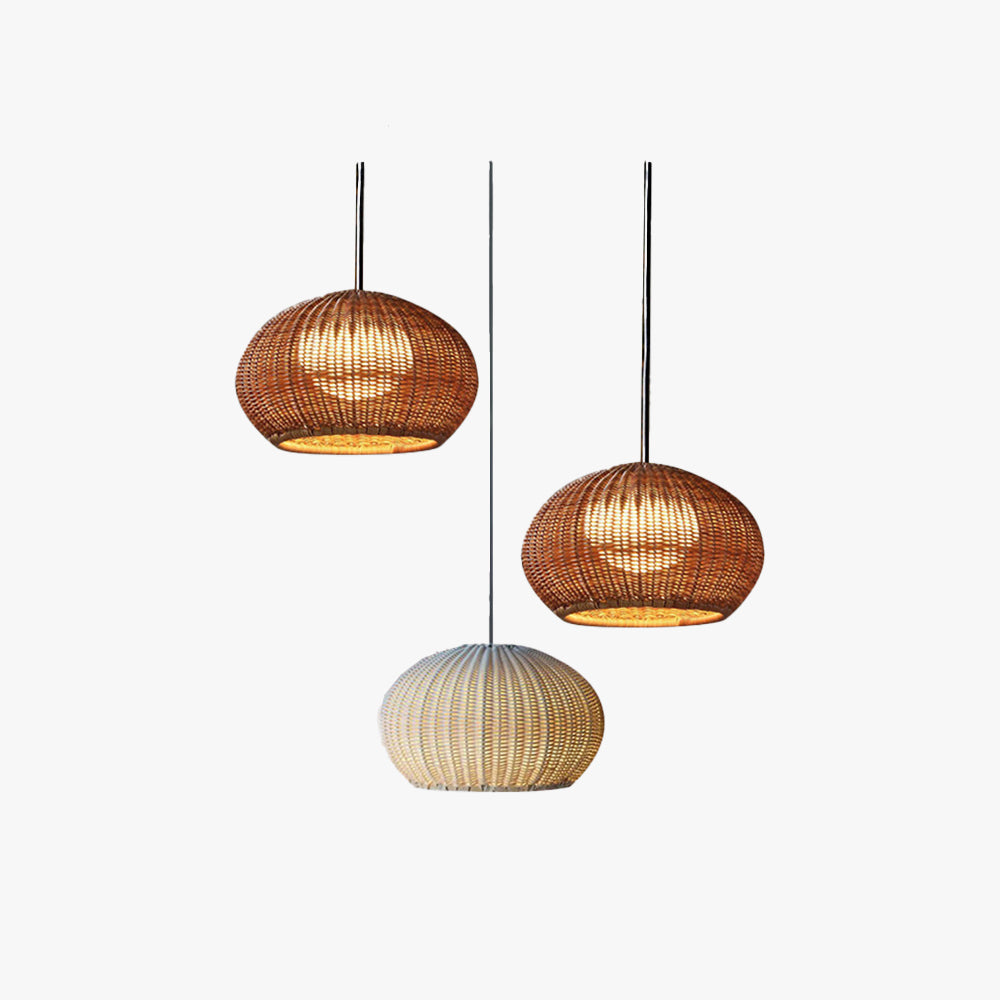

Ritta Modern Lantern Pendant Light, Metal/Acrylic, Beige/Coffee
From £189.99 GBP -
Riley Vintage Rectangle Metal Outdoor Solar Lamps, Black/Bronze


Riley Vintage Rectangle Metal Outdoor Solar Lamps, Black/Bronze
From £119.99 GBP -
Riley Vintage Metal LED Outdoor Light Post
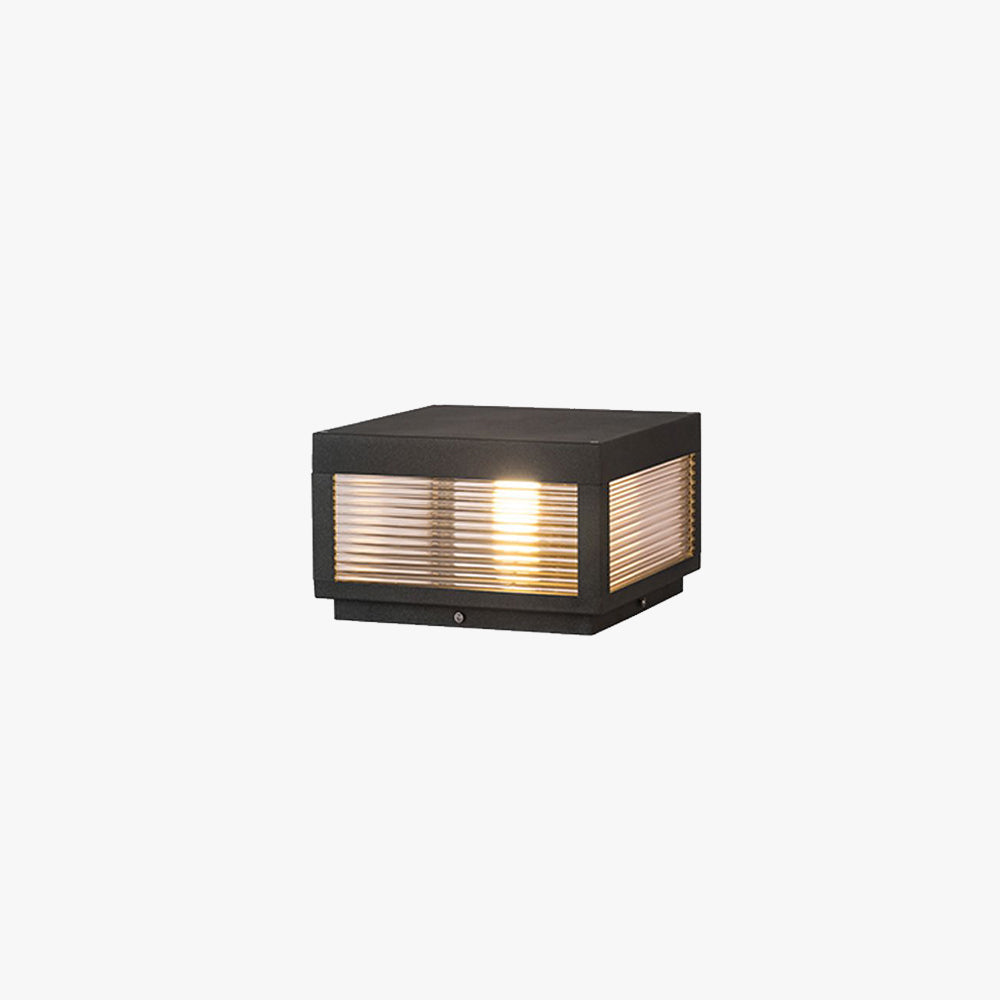
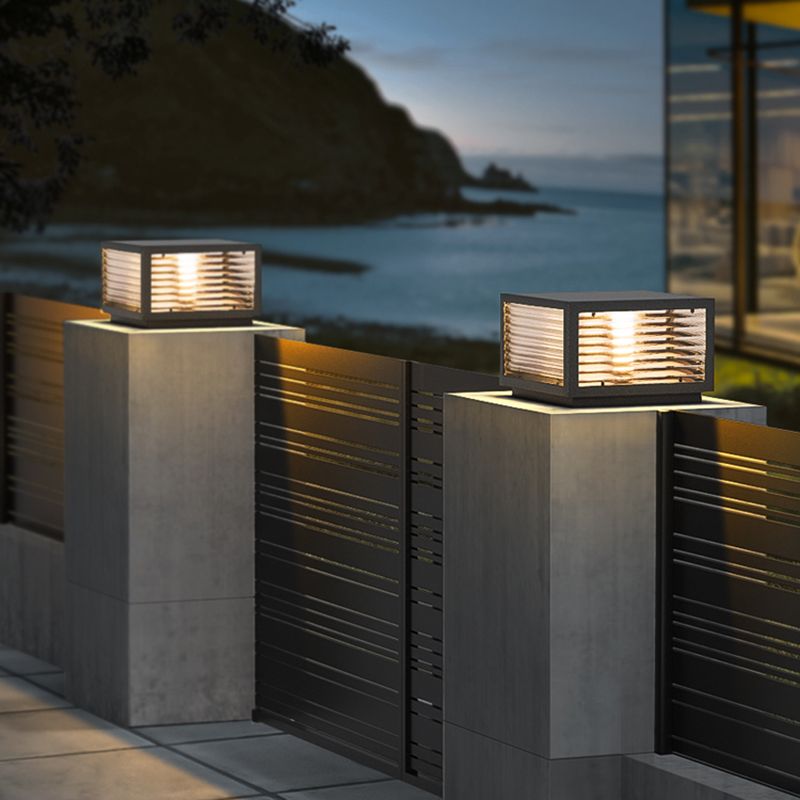
Riley Vintage Metal LED Outdoor Light Post
From £119.99 GBP -
Riley Modern Geometry Acrylic Outdoor Floor Lamp, Black
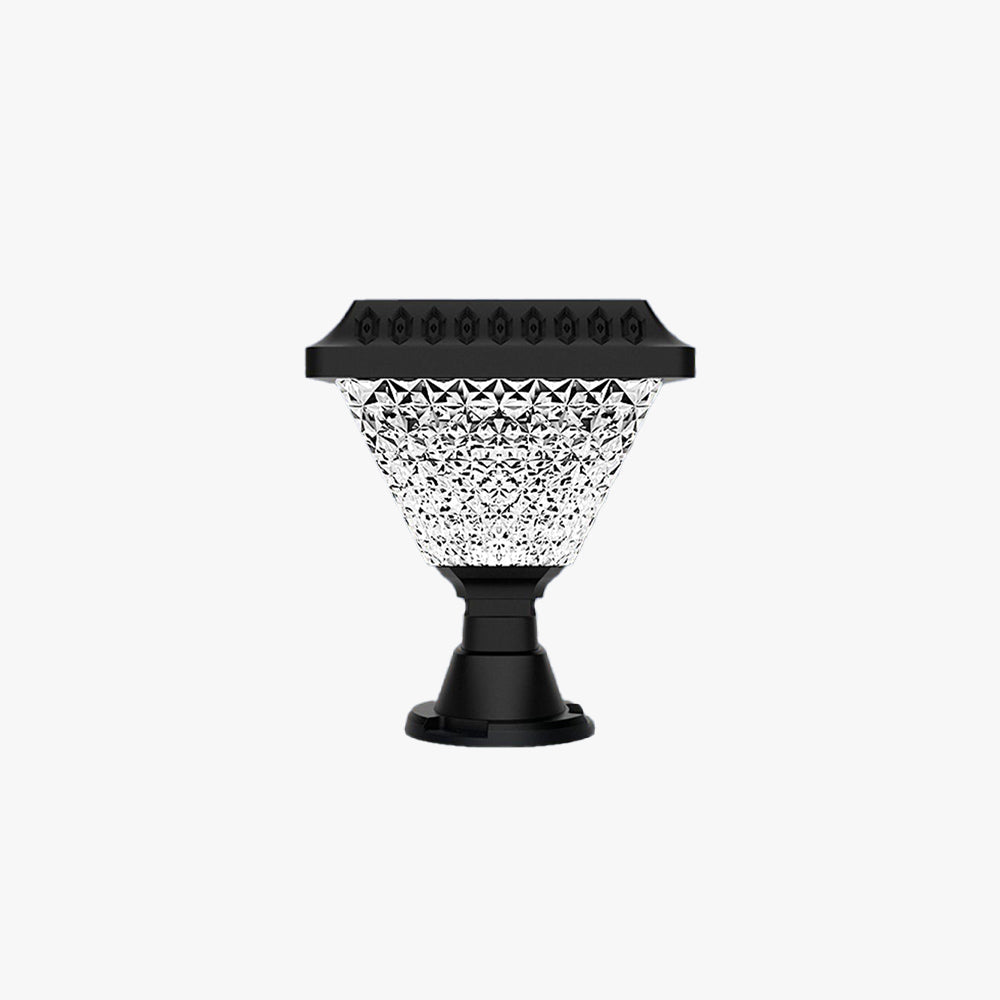
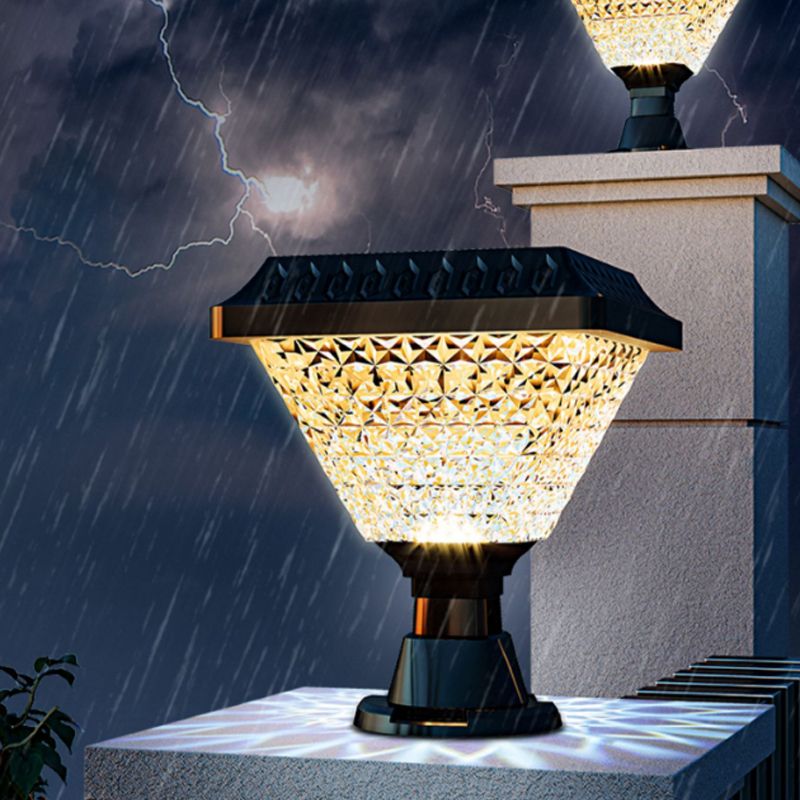
Riley Modern Geometry Acrylic Outdoor Floor Lamp, Black
£99.99 GBP -
Pena Mushroom Outdoor Ground Light, Hardwired/Solar, Orange

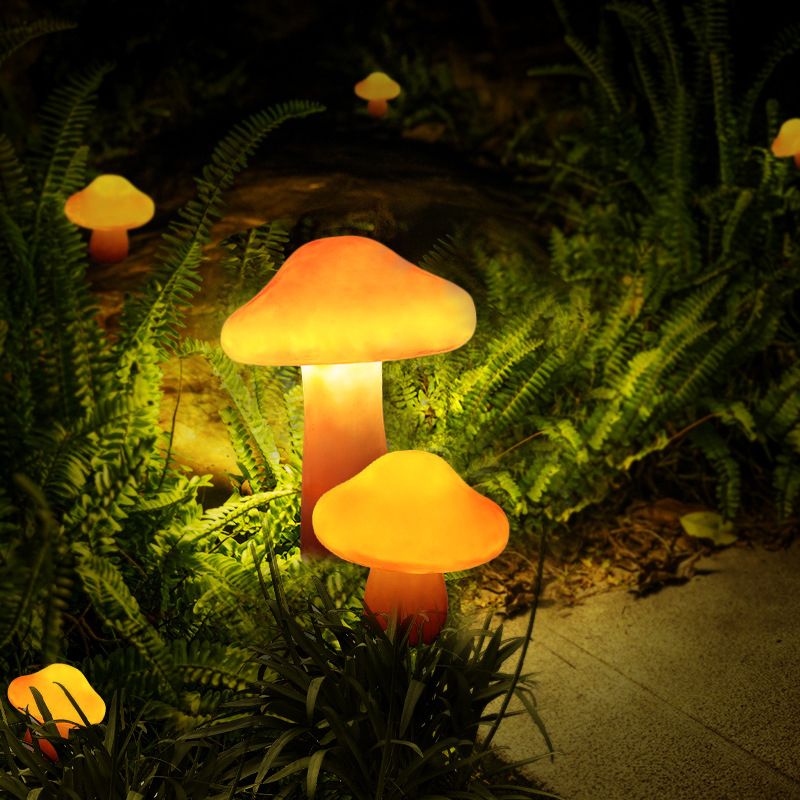
Pena Mushroom Outdoor Ground Light, Hardwired/Solar, Orange
From £209.99 GBP -
Orr Modern Metal Rectangular Outdoor Deck/Step Light, Black


Orr Modern Metal Rectangular Outdoor Deck/Step Light, Black
From £59.99 GBP -
Orr Modern Metal Rectangular Outdoor Deck/Step Light, Black


Orr Modern Metal Rectangular Outdoor Deck/Step Light, Black
From £39.99 GBP -
Orr Modern Round Glass/Metal Solar Outdoor Ground Lamp Spotlight
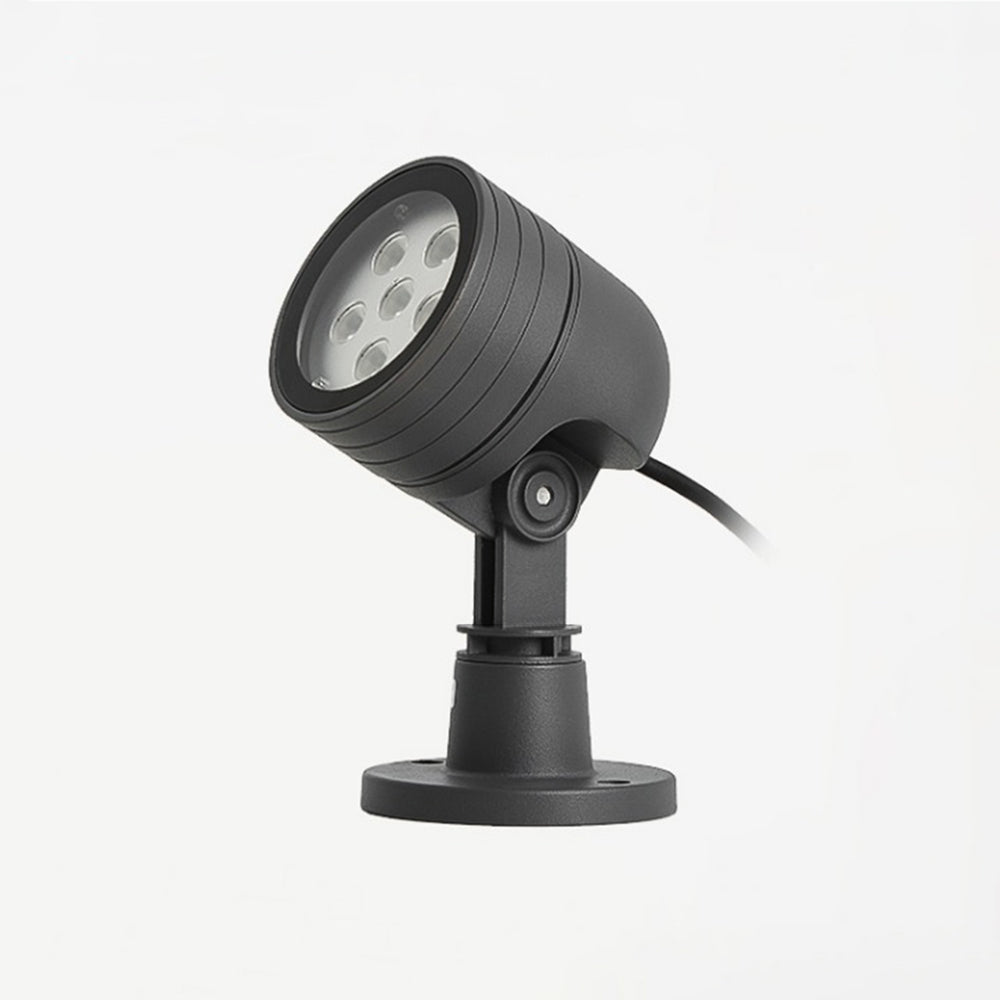
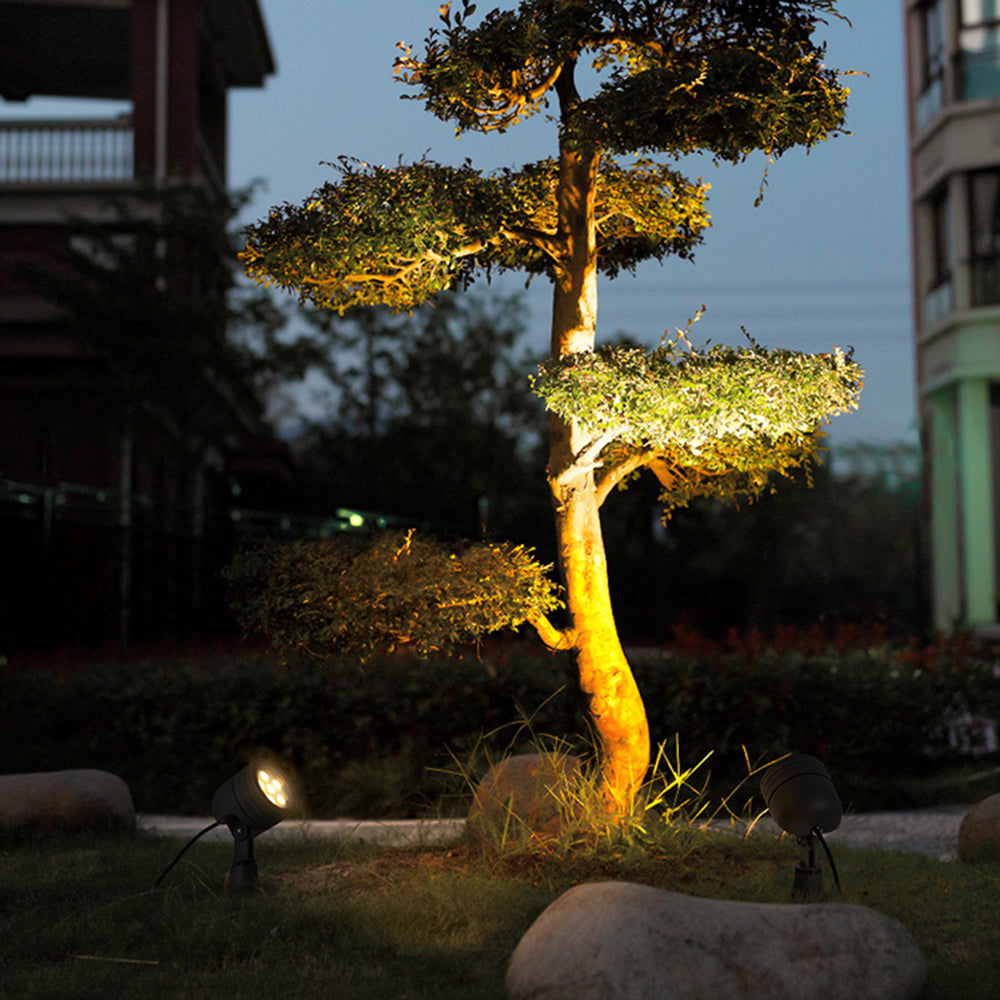
Orr Modern Round Glass/Metal Solar Outdoor Ground Lamp Spotlight
From £89.99 GBP -
Orr Modern Cylindrical Outdoor Under Water Spotlight, Black
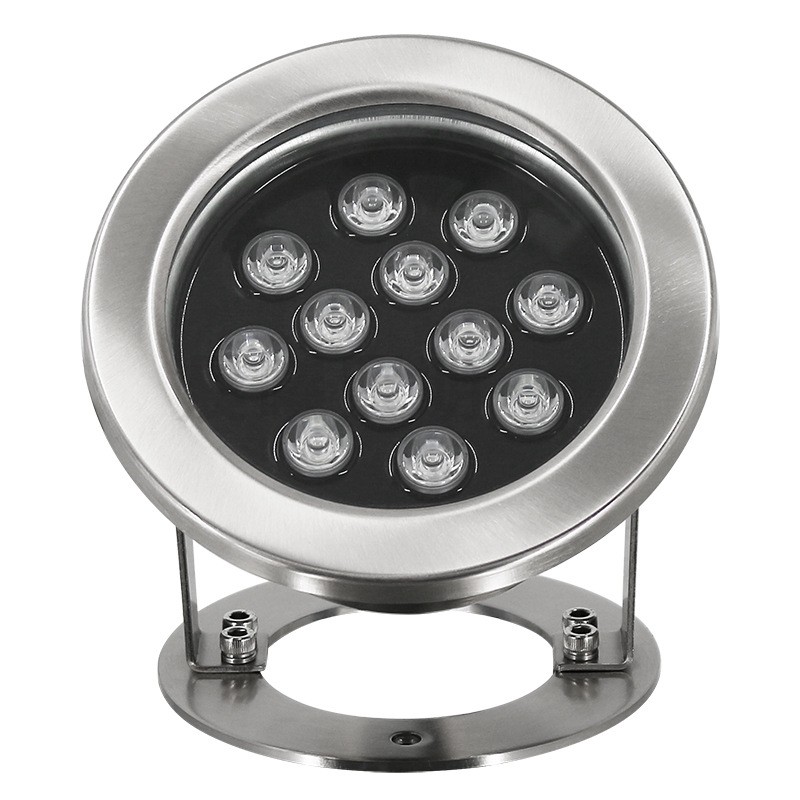
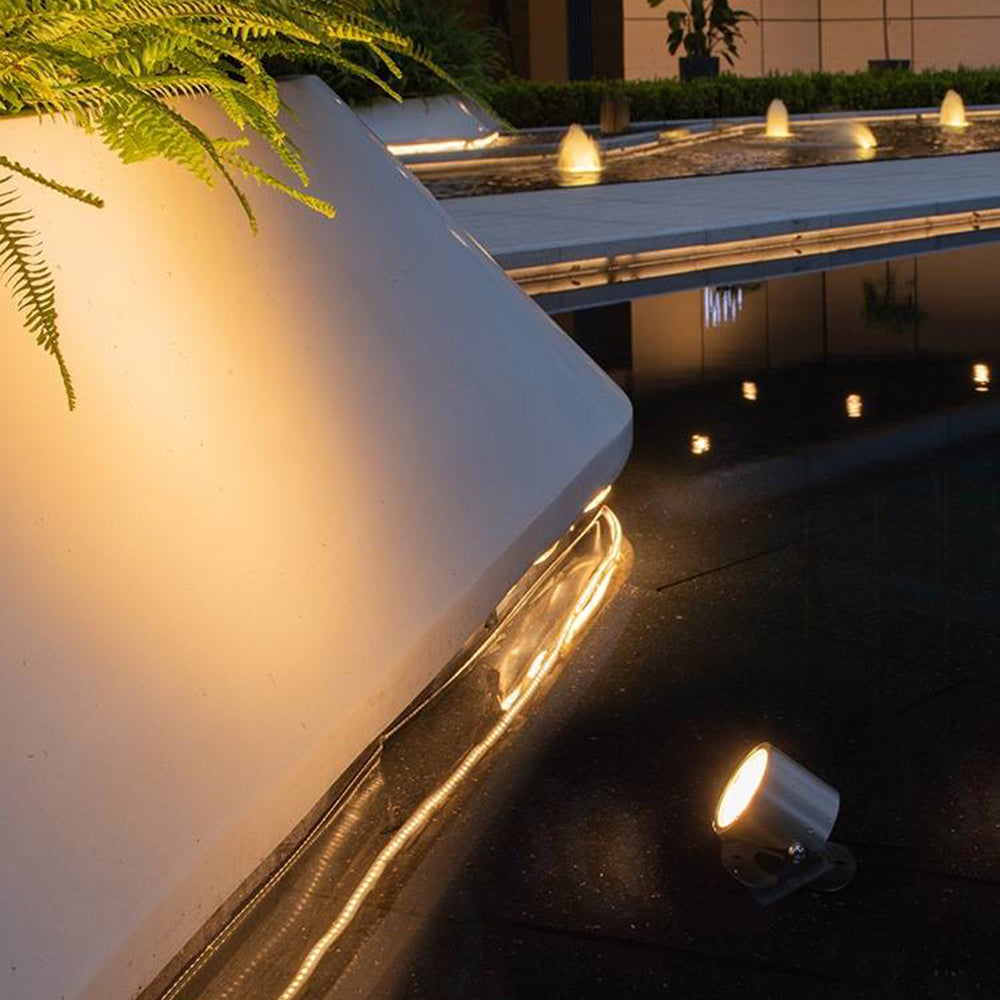
Orr Modern Cylindrical Outdoor Under Water Spotlight, Black
From £69.99 GBP -
Orr Modern Rectangular Metal Outdoor Lamps, Black
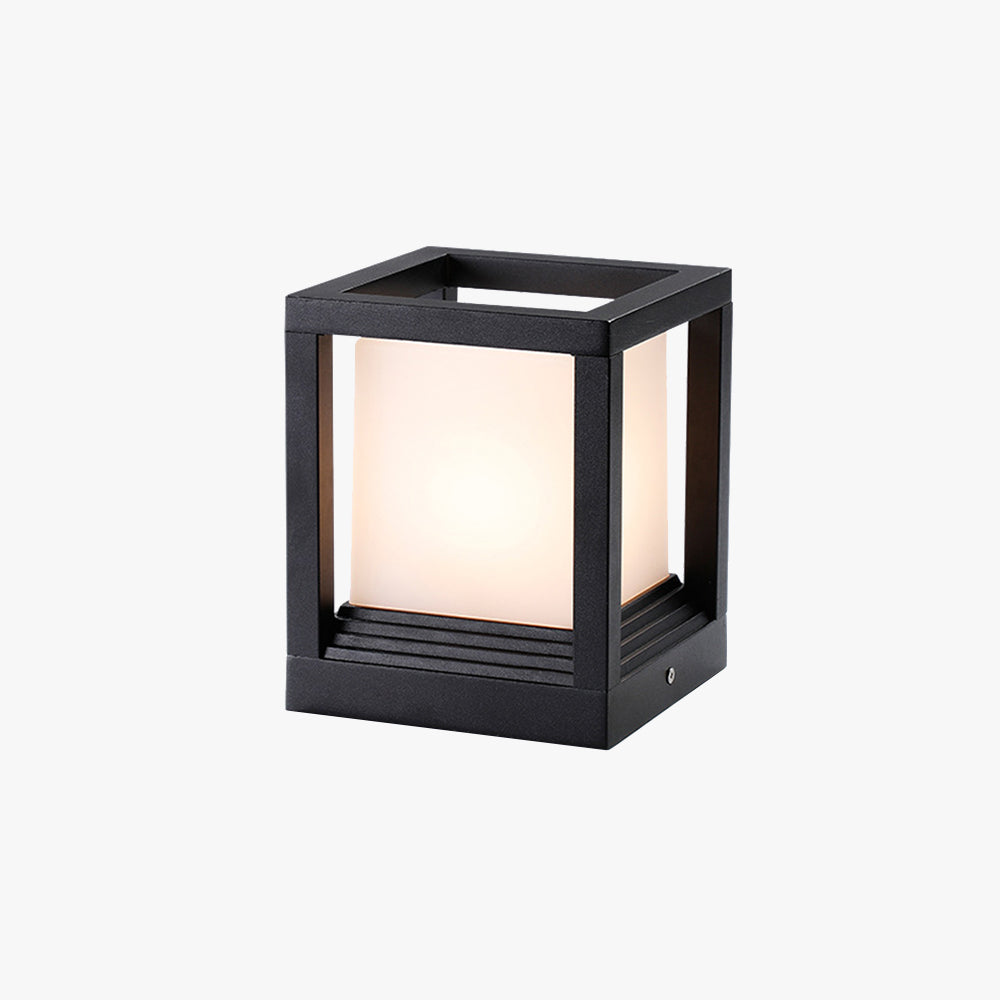
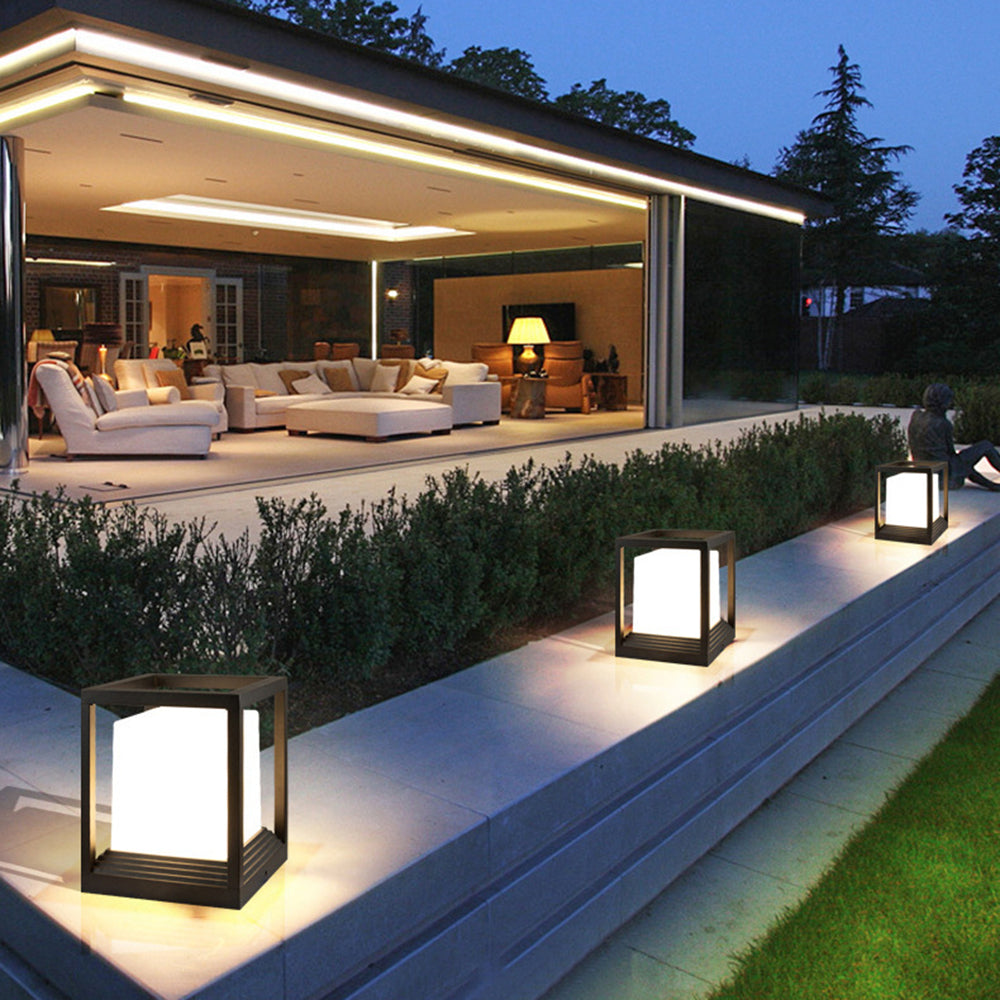
Orr Modern Rectangular Metal Outdoor Lamps, Black
From £99.99 GBP -
Elif Square Moon Globe Metal Glass Outdoor Light Post
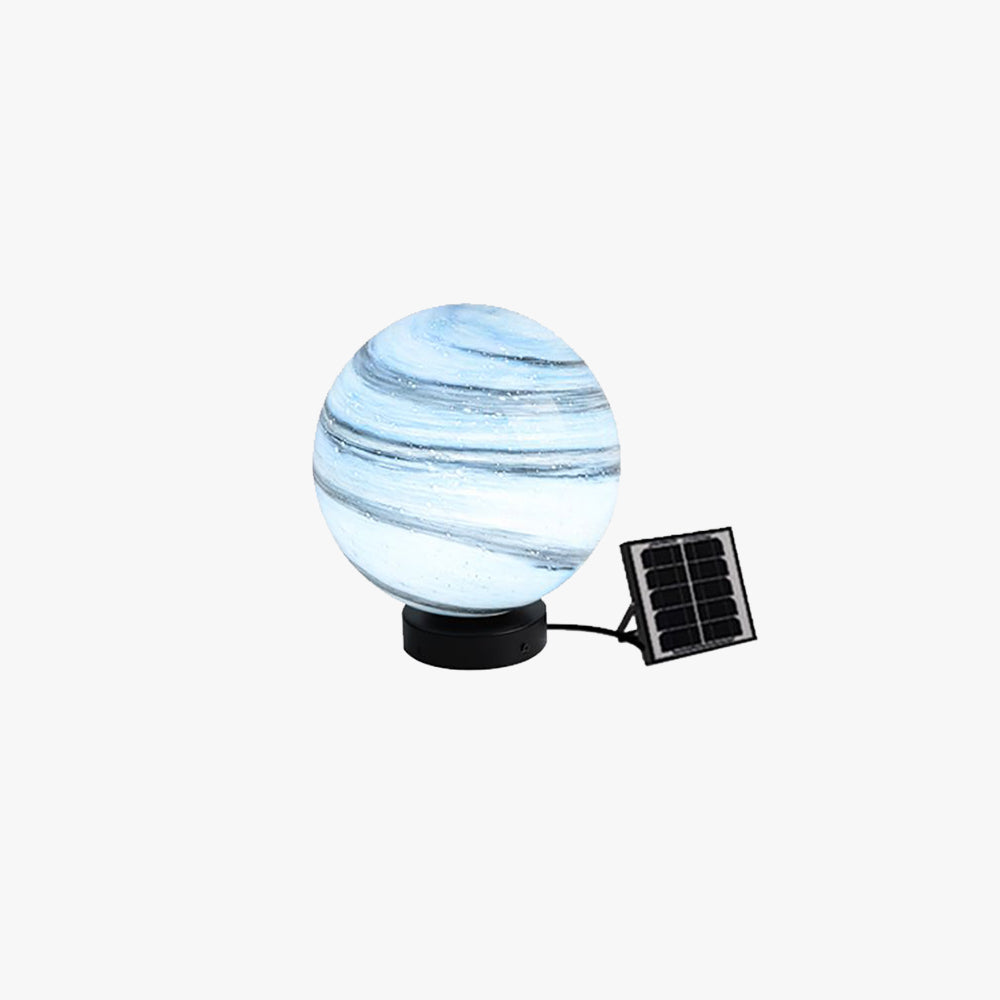
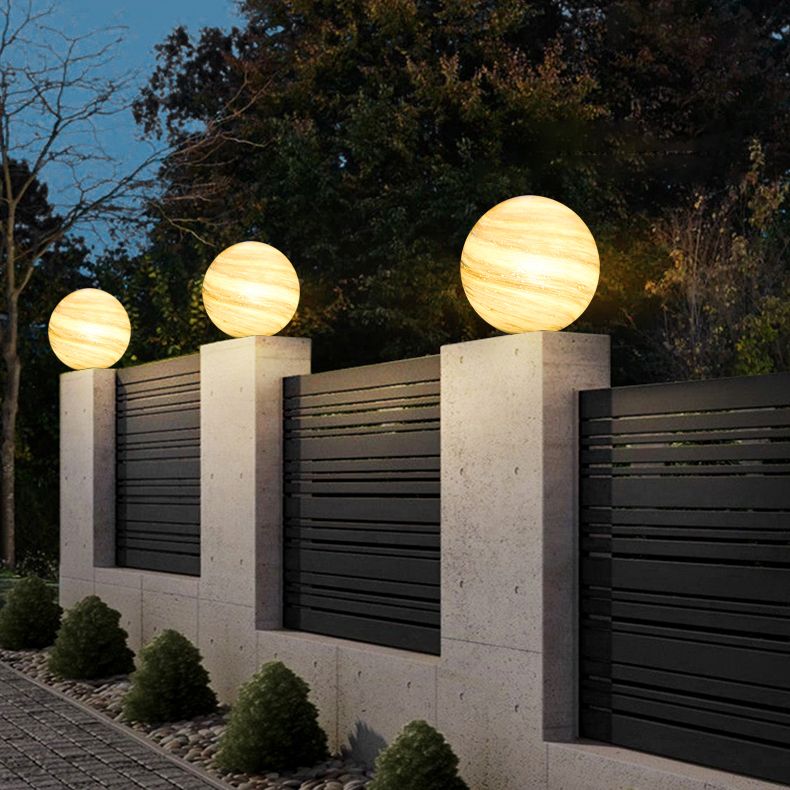
Elif Square Moon Globe Metal Glass Outdoor Light Post
From £169.99 GBP -
Orr Wall Lamp Flying Saucer, Metal LED, Black, Outdoor
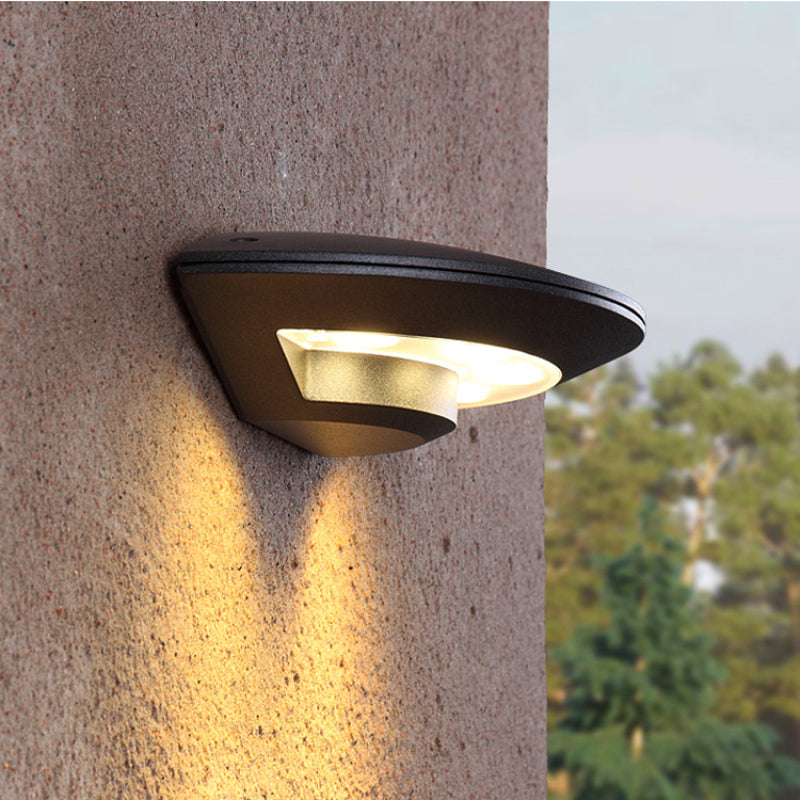

Orr Wall Lamp Flying Saucer, Metal LED, Black, Outdoor
£59.99 GBP -
-
Orr Minimalist Metal Square Outdoor Wall Lamp, Black
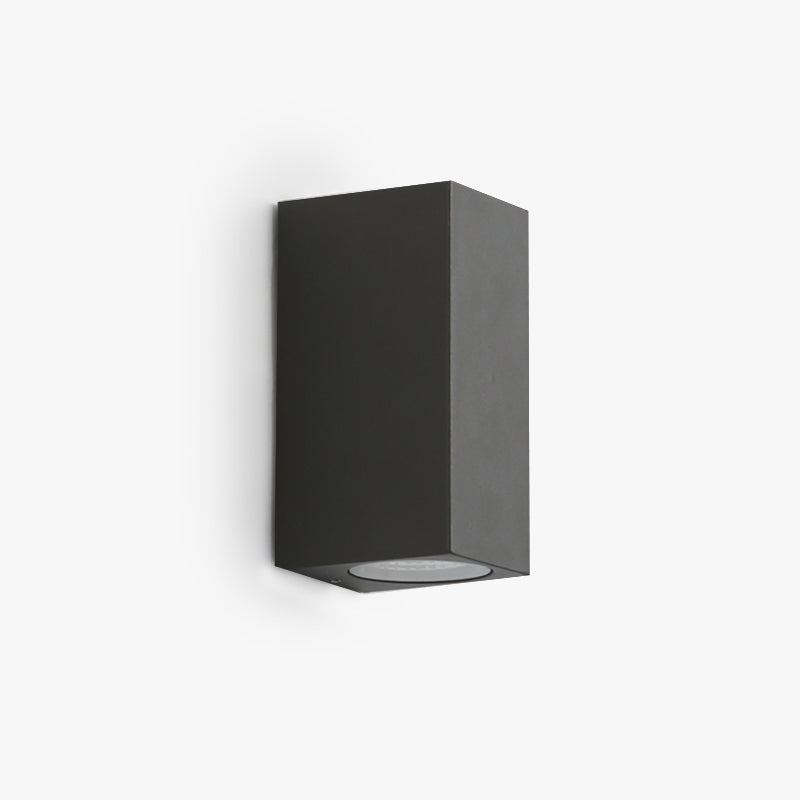
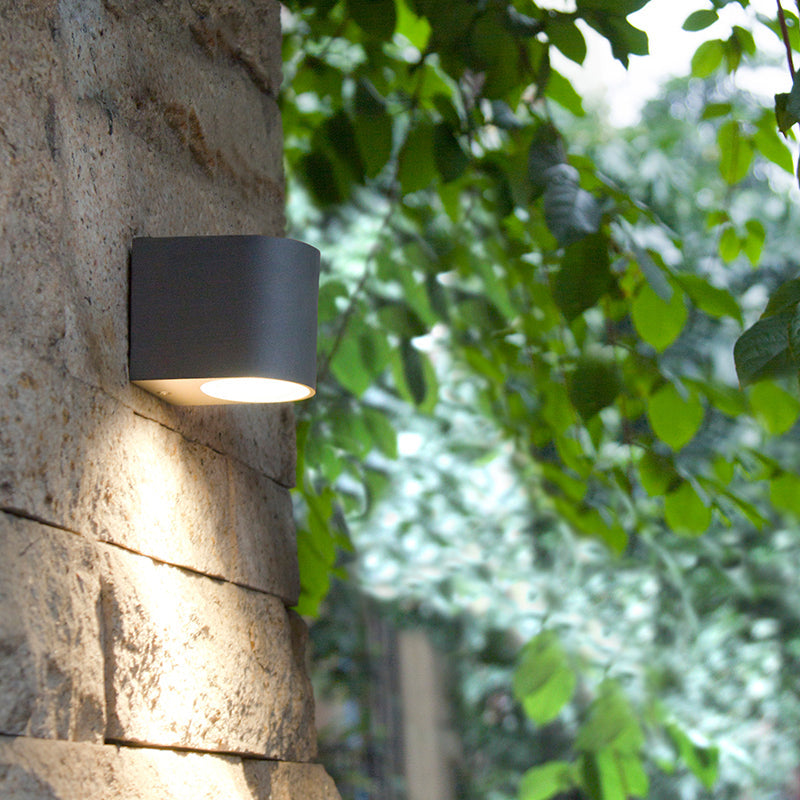
Orr Minimalist Metal Square Outdoor Wall Lamp, Black
From £29.99 GBP -
Orr Modern Outdoor Wall Lighting, Waterproof, Curved, Black & White
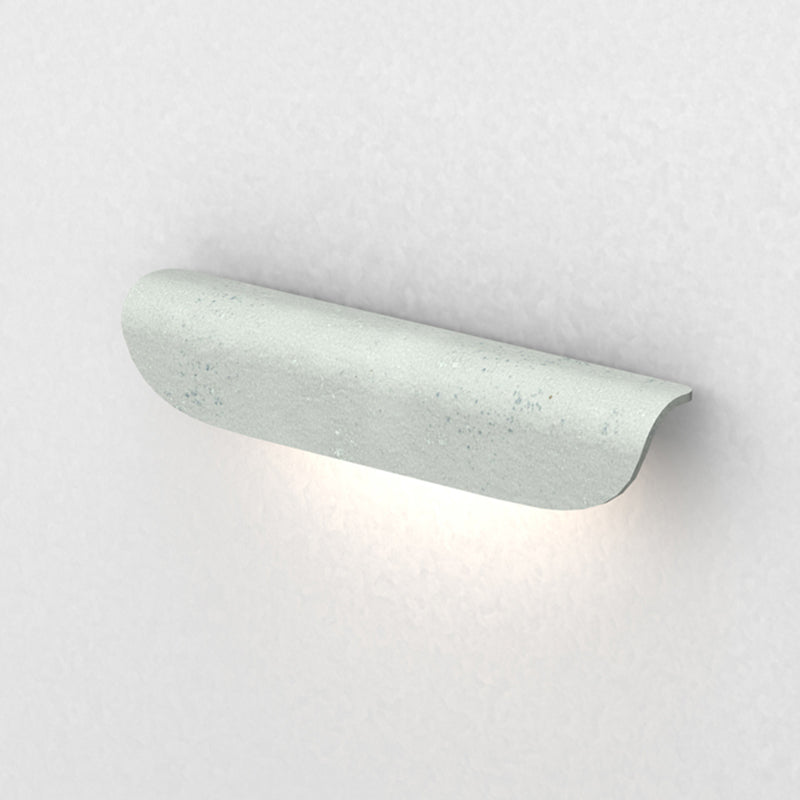
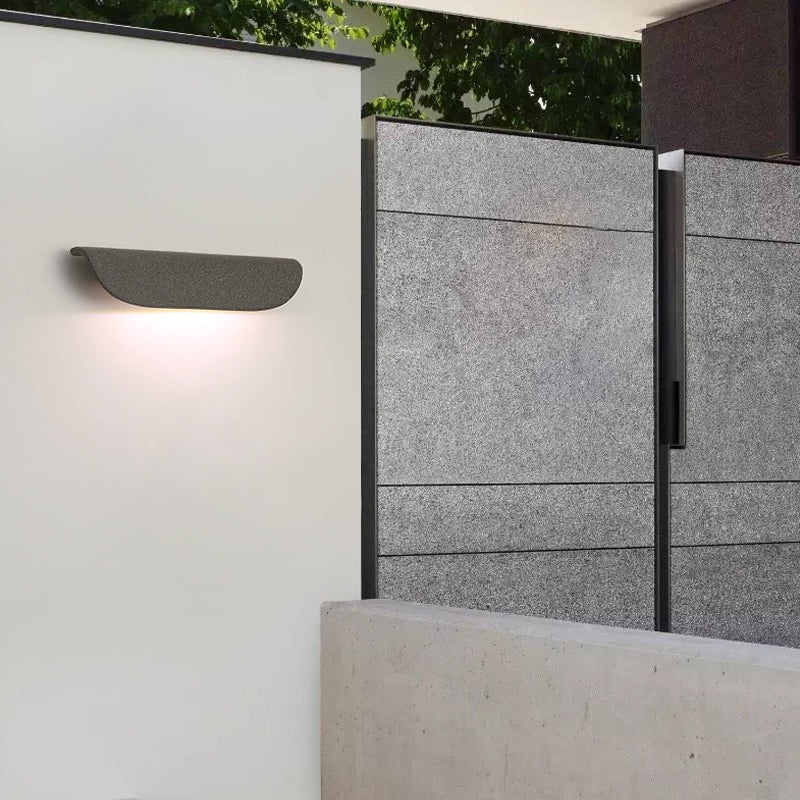
Orr Modern Outdoor Wall Lighting, Waterproof, Curved, Black & White
£49.99 GBP -
Edge Minimalist Rotatable Linear Outdoor Wall Lamp, Black
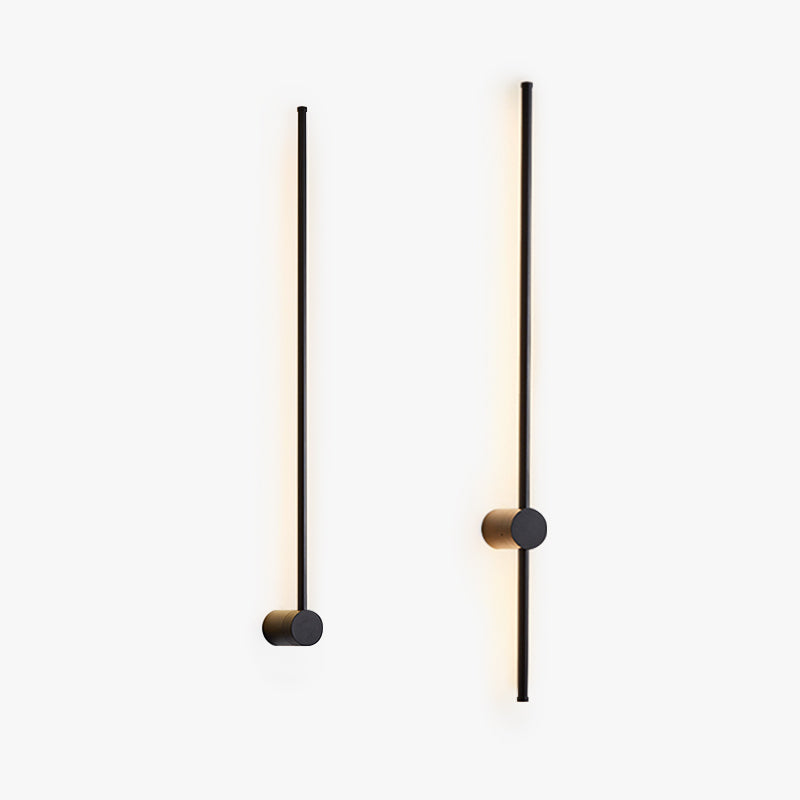
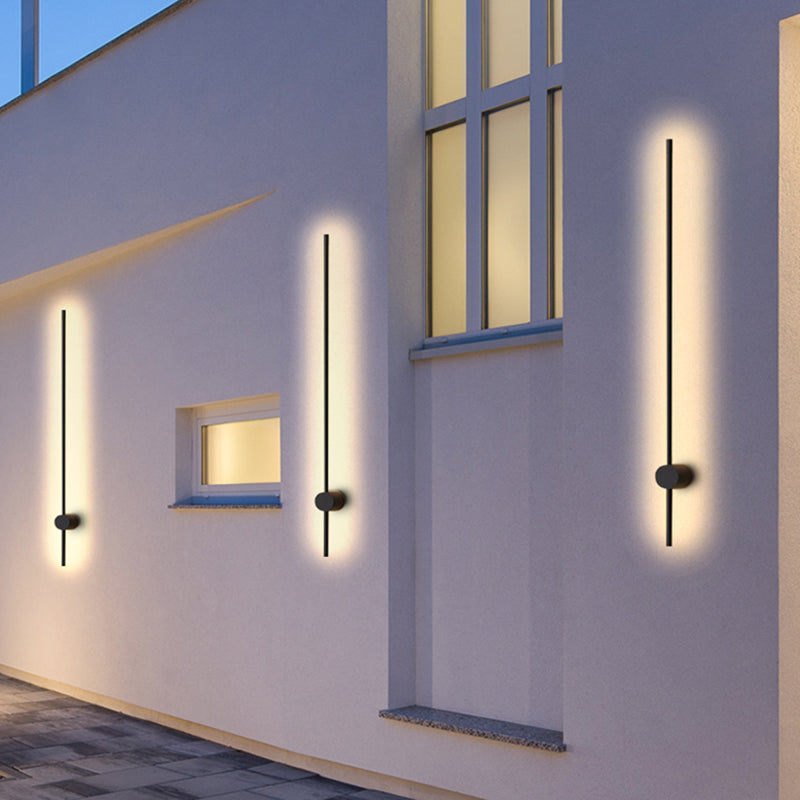
Edge Minimalist Rotatable Linear Outdoor Wall Lamp, Black
From £79.99 GBP
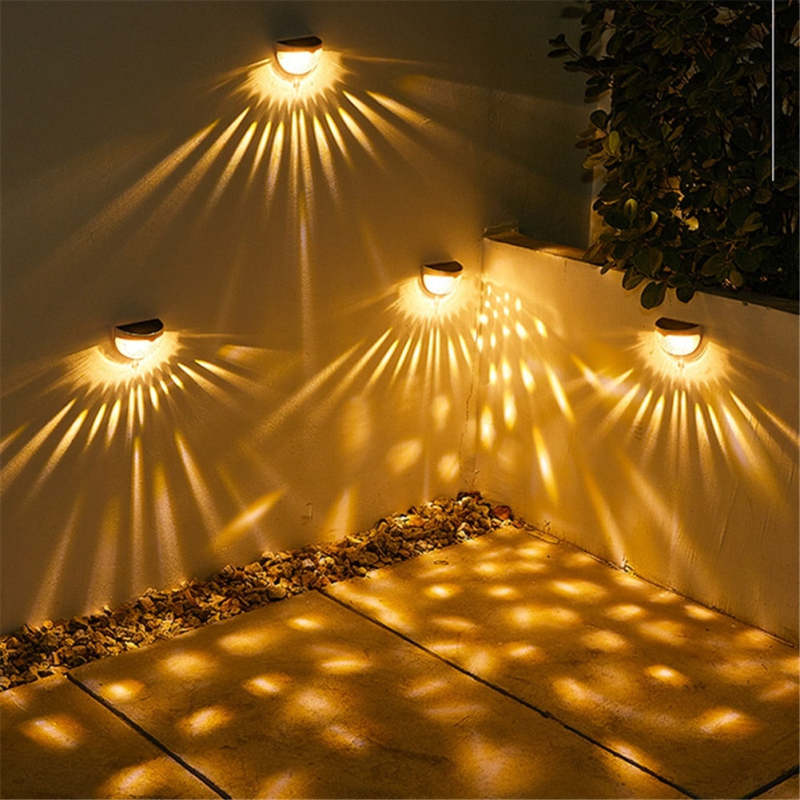
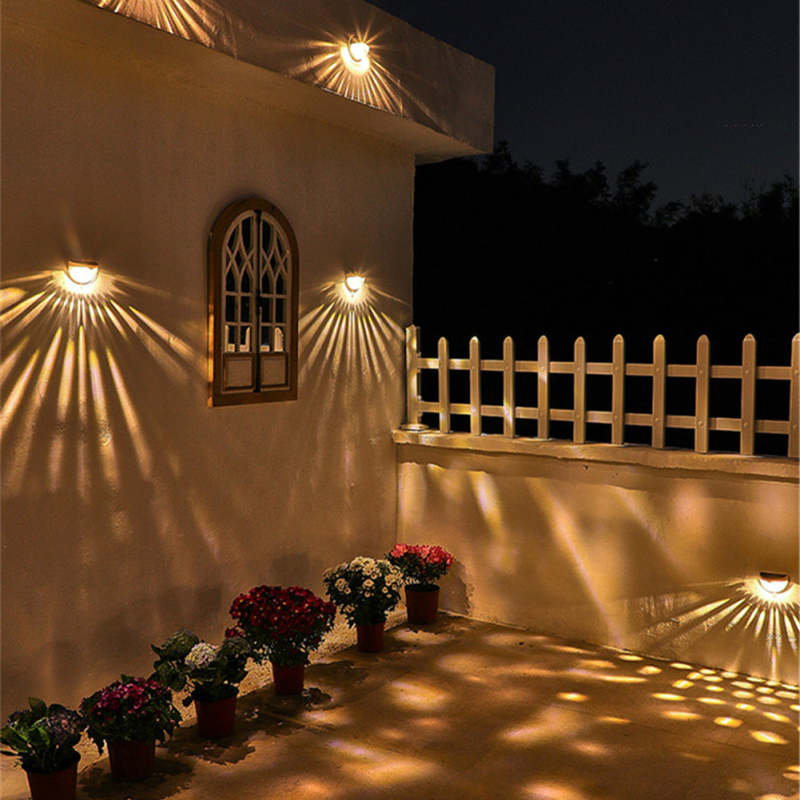
Solar Lights with Motion Sensors – Beautiful and Twice as Useful
Solar lights are already a super handy, practical, and eco-friendly way to light up your garden, driveway, or entrance. They make outdoor spaces feel warm and welcoming at night without adding to your electricity bill. Plus, they can be just as stylish as they are functional, making them a great addition to any outdoor setup.
But do motion sensors really make a difference? The answer is simple: absolutely! Motion sensors and solar lights are a perfect pair because they make sure the lights only turn on when you actually need them—no sooner, no later. This means no wasted energy and an extra layer of security, as sudden lighting can help deter unwanted visitors.
Choosing the Right IP Code for Your Solar Lights
Outdoor lights have to deal with all kinds of weather, from rain and wind to dust and humidity. That’s why it’s important to pick the right IP code (Ingress Protection rating) for your solar lights. The IP code tells you how well the light is protected against water and dirt, ensuring it stays in good shape for years. You’ll find this information in the product details, so always check before buying.
Want a quick guide to what each IP rating means? We’ve got you covered. Check out our table to find the best level of protection for your outdoor solar lights!
Setting Up Motion Sensors the Right Way
Installing a motion sensor correctly makes all the difference in how well it works. First, place the sensor where it has a clear line of sight to the area you want to monitor—obstructions like trees or walls can block detection. Make sure it’s positioned at the right height; too high, and it may miss movement close to the ground, too low, and small animals could trigger it unnecessarily. Also, adjust the sensitivity settings if the light is turning on too often or not enough.
With the right setup and the right sensor, you’ll get reliable, hands-free lighting that keeps your space well-lit exactly when you need it.
Where’s the Best Place to Install Solar Lights with Motion Sensors?
Before setting up your lights, check that the spot gets plenty of sunlight. Since these lights run on solar power, they need direct sun exposure during the day to work at night. The best way to make sure they charge properly is to have the solar panel facing south, as that direction gets the most sunlight throughout the day.
Absolutely! Solar lights with motion sensors don’t just rely on the sun for power—they also use modern LED technology to give you reliable, energy-efficient lighting. Here’s why LEDs are a game-changer for outdoor solar lights:
- Massive energy savings– LEDs use 90% less electricity than traditional bulbs and 60% less than halogen lights, making them an incredibly efficient choice.
- Instant brightness– No waiting around! LEDs reach full brightness the second they turn on.
- Great light quality– Whether it’s color temperature or color accuracy, modern LEDs offer clear, crisp, and natural-looking light that works well for outdoor spaces.
- Slim, compact designs– Since LEDs are small and don’t heat up as much, they allow for sleek and modern lighting designs that fit effortlessly into different spaces.
With this combination of solar power, motion sensors, and LED efficiency, you get an outdoor lighting solution that’s smart, eco-friendly, and built to last.
Battery life can be a bit different from one solar light to another. It depends on several things—like the type of solar light, the battery's quality, the bulbs being used, and, of course, how much sunlight the panel soaks up during the day. A well-made solar light with a good battery can shine for hours after sunset, but cloudy days or shady spots can reduce the charge. If you're looking for longer-lasting performance, choose solar lights with high-capacity batteries and efficient LED bulbs. Also, keep the solar panel clean and positioned where it gets the most direct sunlight—that way, your lights will be ready to glow when the sun goes down!
When it comes to solar lights, how long they need to charge depends on a few factors, like the weather and how much sun the solar module can soak up. Is it a bright, sunny day outside, or is it cloudy and overcast? Or maybe the weather's so bad that it's raining, and the sun might not come back out? These things all affect how long the light will need to charge.
On a typical sunny day, your solar light can soak up enough energy to work, but the first time you use it, it may take a little longer to get going. It’s best to let the battery charge for about two full days in good weather, or up to ten days if the weather’s poor or cloudy. So, while you may need some patience, it’s worth it because this first charge ensures your light and its technology are getting the most battery power it can handle.
If you're thinking about using your solar lights during the winter, it’s important to know that many of them won’t work well in cold, low-sun conditions. To keep your solar light safe and working, it’s a good idea to store it indoors when the weather’s freezing. This protects both the light and its battery from the frost and the elements.
Here’s what you should keep in mind when using solar lights:
- Sunlight Exposure
For your solar lights to work at their best, the solar module needs plenty of direct sunlight. The more sunlight it gets, the better. - Placement
Ideally, place the module facing south so it gets the most sunlight throughout the day. Avoid putting it under roofs, trees, or any spot that’s in the shade. - Cleanliness
The solar panel should be kept free of dust, dirt, and debris. Anything blocking the sunlight can affect its ability to charge properly. - Charging Options
Some solar lights come with a USB charging option for the built-in battery. There are also models, like the Hybrid System Sun Connec, that automatically switch to mains power when the battery gets low, which can be super convenient. - Durability
Think about the material of the light when you choose one. If you’re using the light outdoors, go for options made of stainless steel, aluminum, or high-quality plastic, as these materials tend to last longer. - Winter Use
If you want to keep using your solar lights during winter, look for models that have good solar panels and batteries that can handle being charged externally, especially since sunlight can be weaker in colder months. - Safety and Security
If you plan to use your solar lights for security purposes, consider getting models that have a power connection, just to be on the safe side.
By following these simple guidelines, you’ll get the most out of your solar lights, whether you're using them for ambiance or safety.
If you're using a solar light with a motion sensor, always go for LEDs. Why? Because they turn on instantly at full brightness. Older bulbs like halogen and incandescent could do this too, but they’re no longer available since they’ve been phased out. Compact fluorescent bulbs? Not a great choice either, they take a moment to warm up, and let’s be honest, no one wants to wait for their security light to finally turn on when they need it most! With LEDs, you get bright, instant light exactly when it matters.