
-
Colon Wall Lamp Decorative/Modern, Tassel Chain, Silver, Living Room
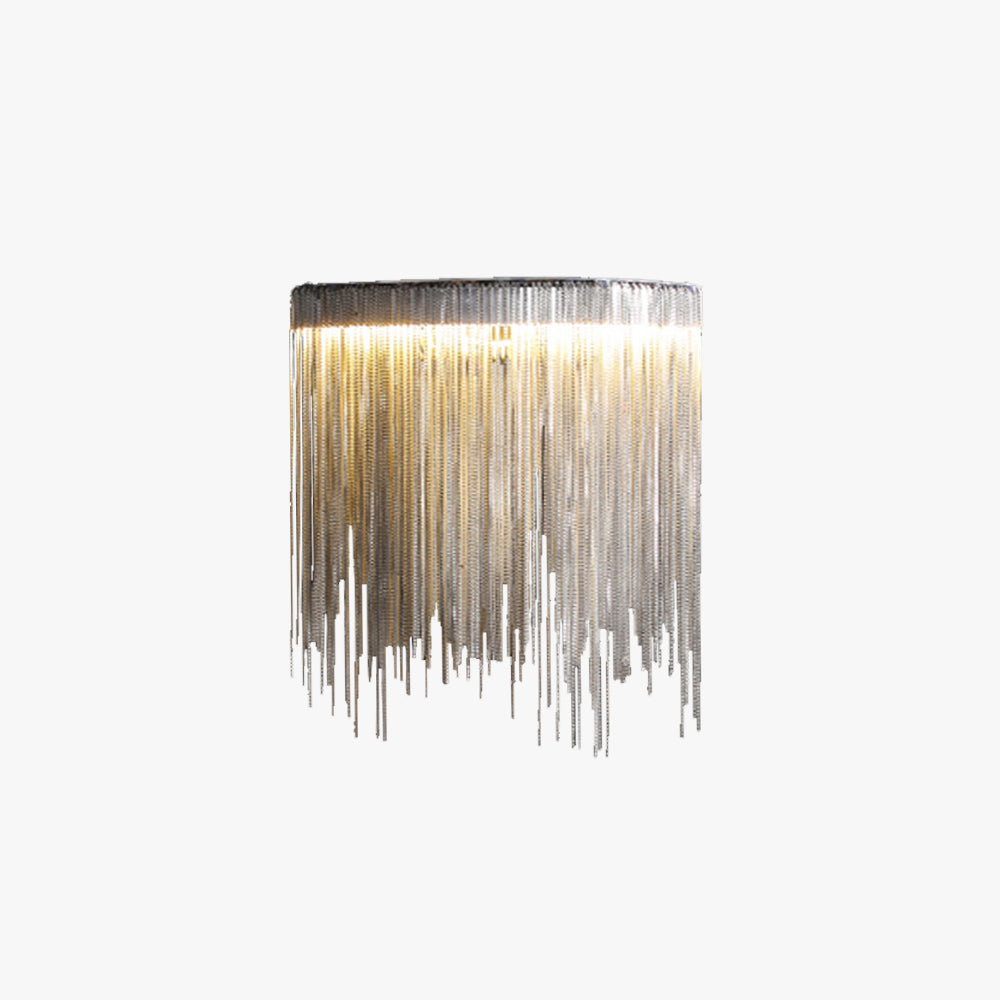
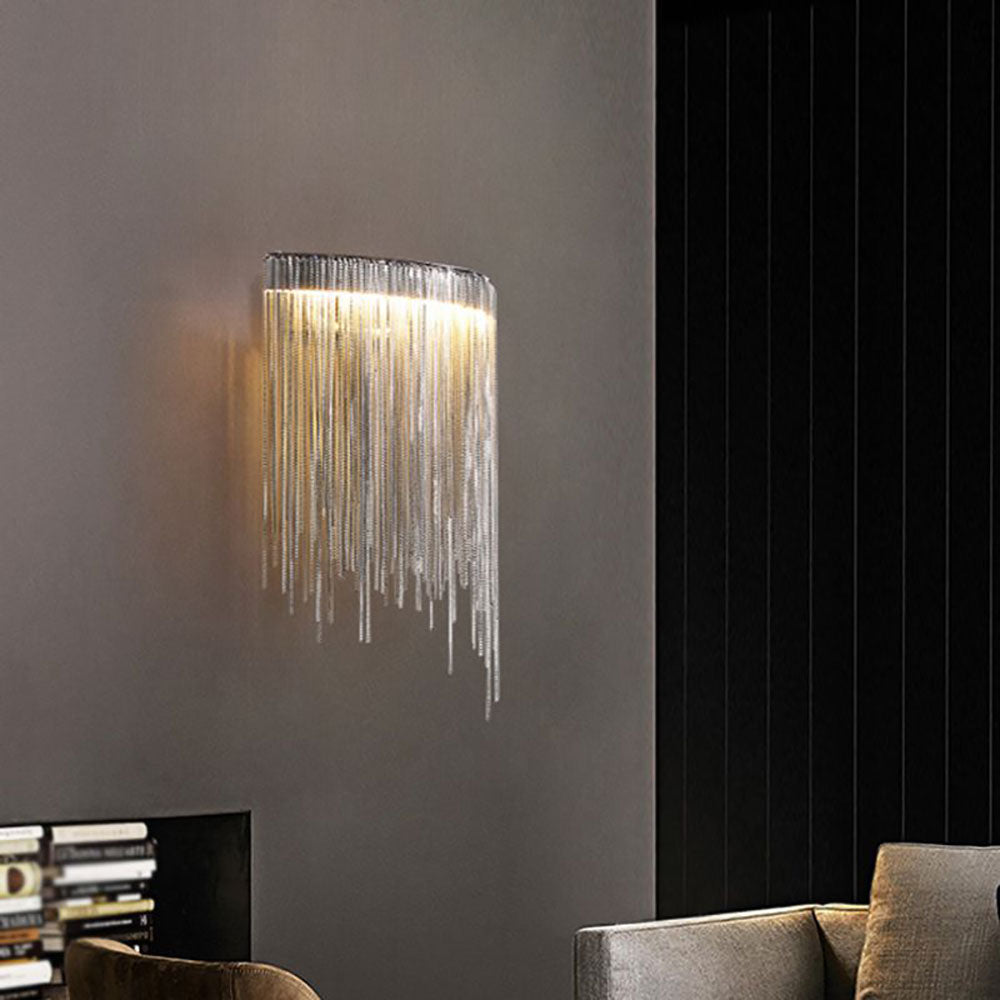
Colon Wall Lamp Decorative/Modern, Tassel Chain, Silver, Living Room
£139.99 GBP -
Cooley Nordic Globe Pendant Light, Metal, Kitchen Island
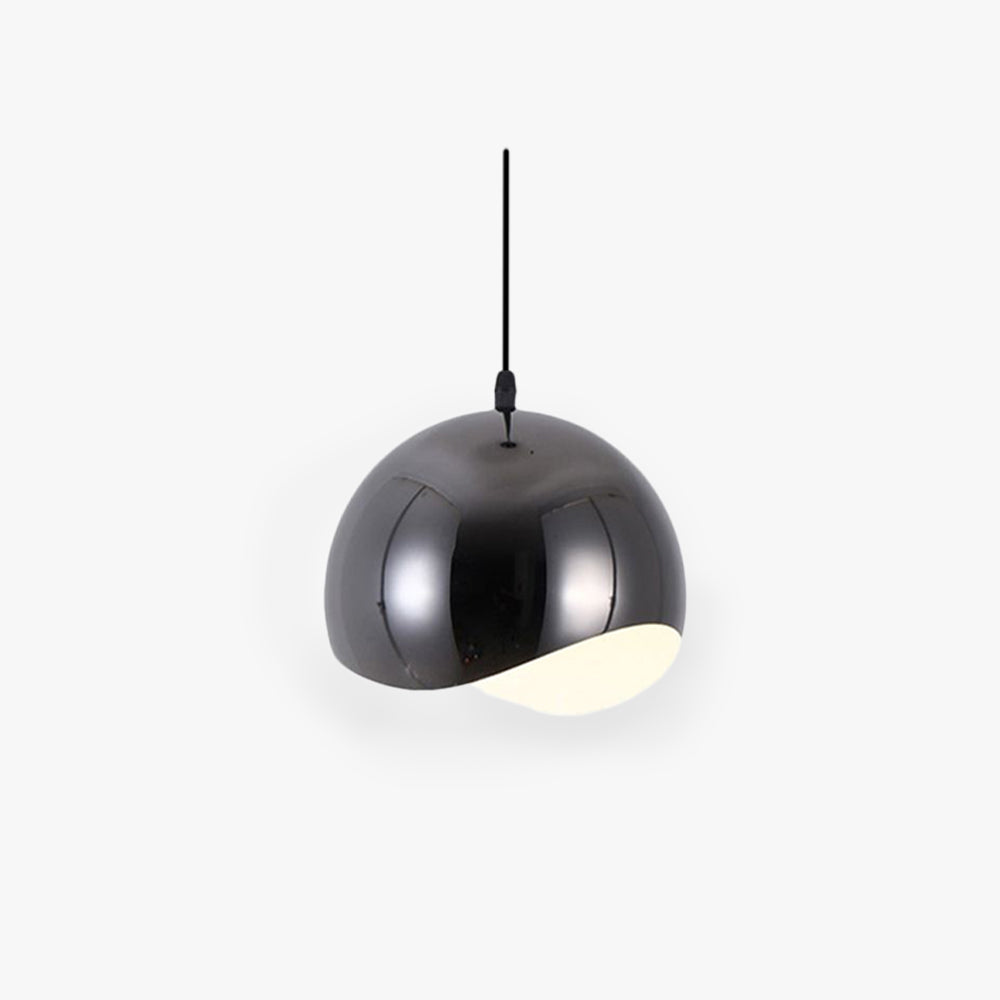
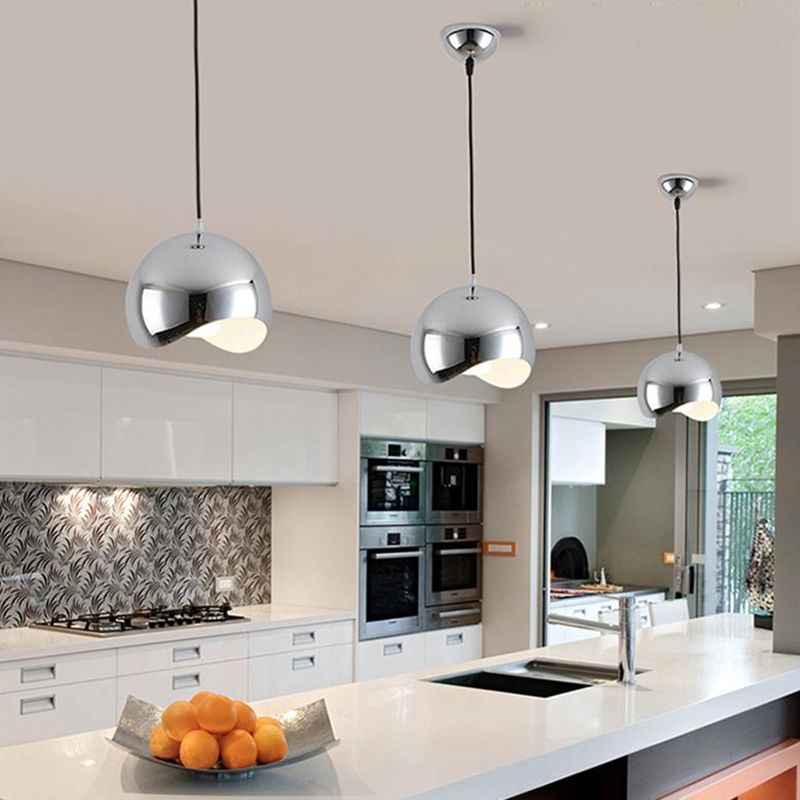
Cooley Nordic Globe Pendant Light, Metal, Kitchen Island
From £89.99 GBP -
Carins Round Metal Flush Mount Ceiling Light, Brass
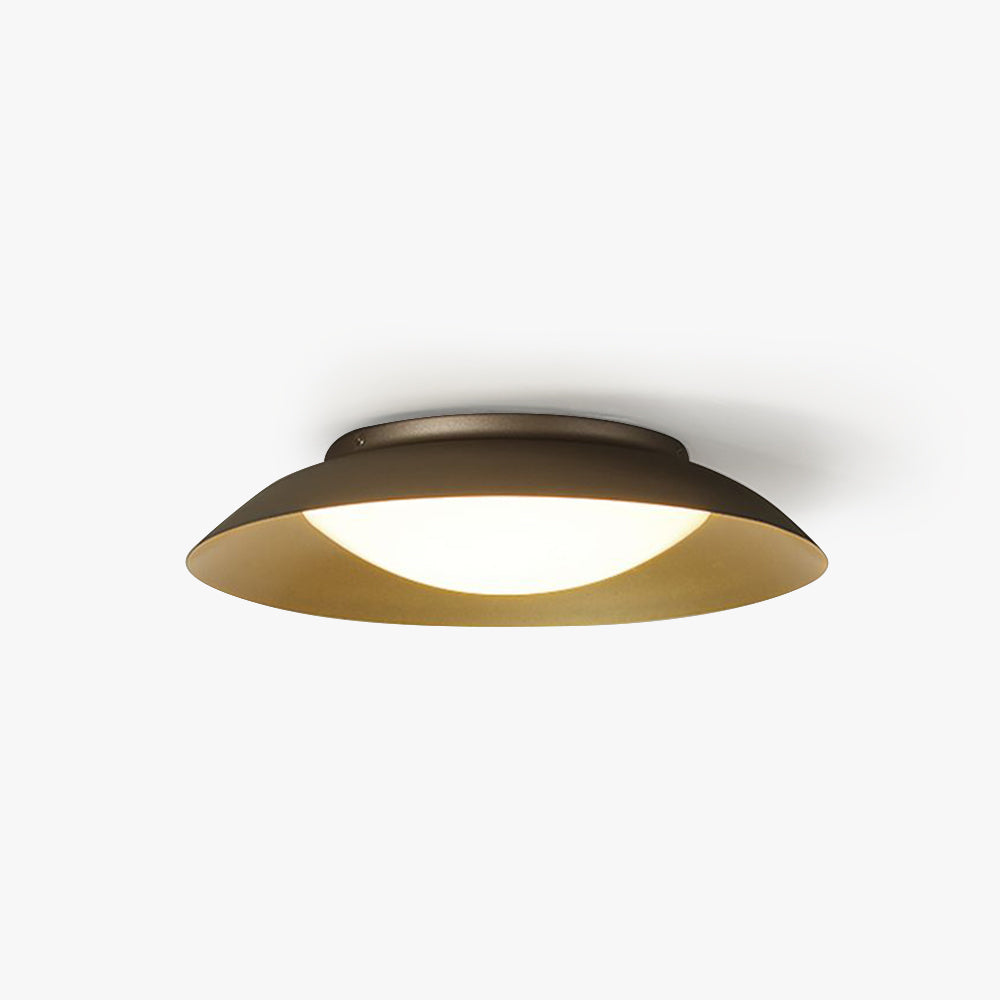
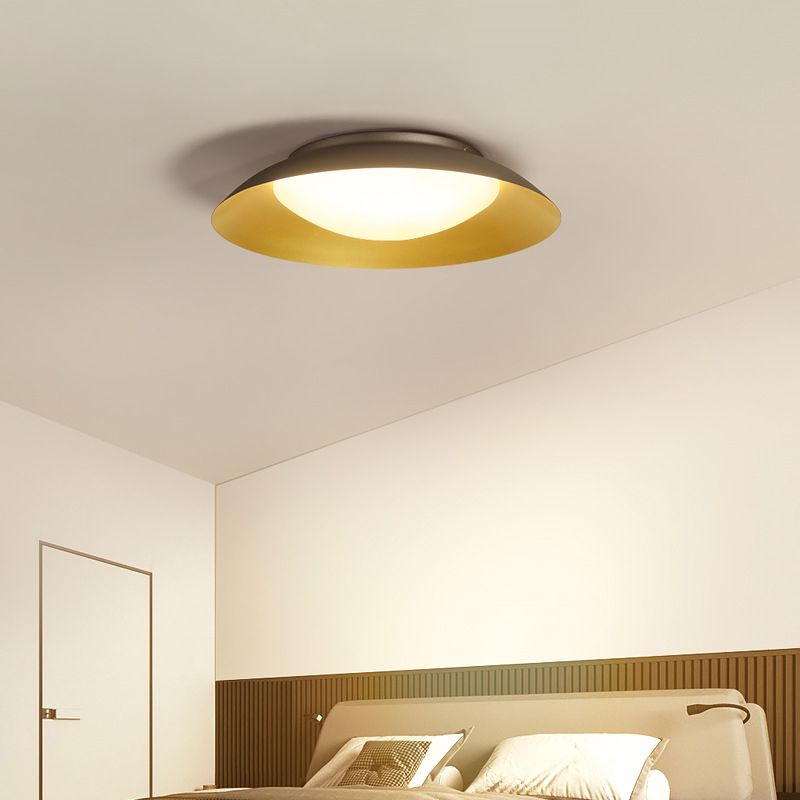
Carins Round Metal Flush Mount Ceiling Light, Brass
From £159.99 GBP -
Carins Modern Dish-shaped Metal Pendant Light, Black/White/Grey


Carins Modern Dish-shaped Metal Pendant Light, Black/White/Grey
£149.99 GBP -
Carins Pendant Light Wave Retro, Mahogany/Resin, Dining Room
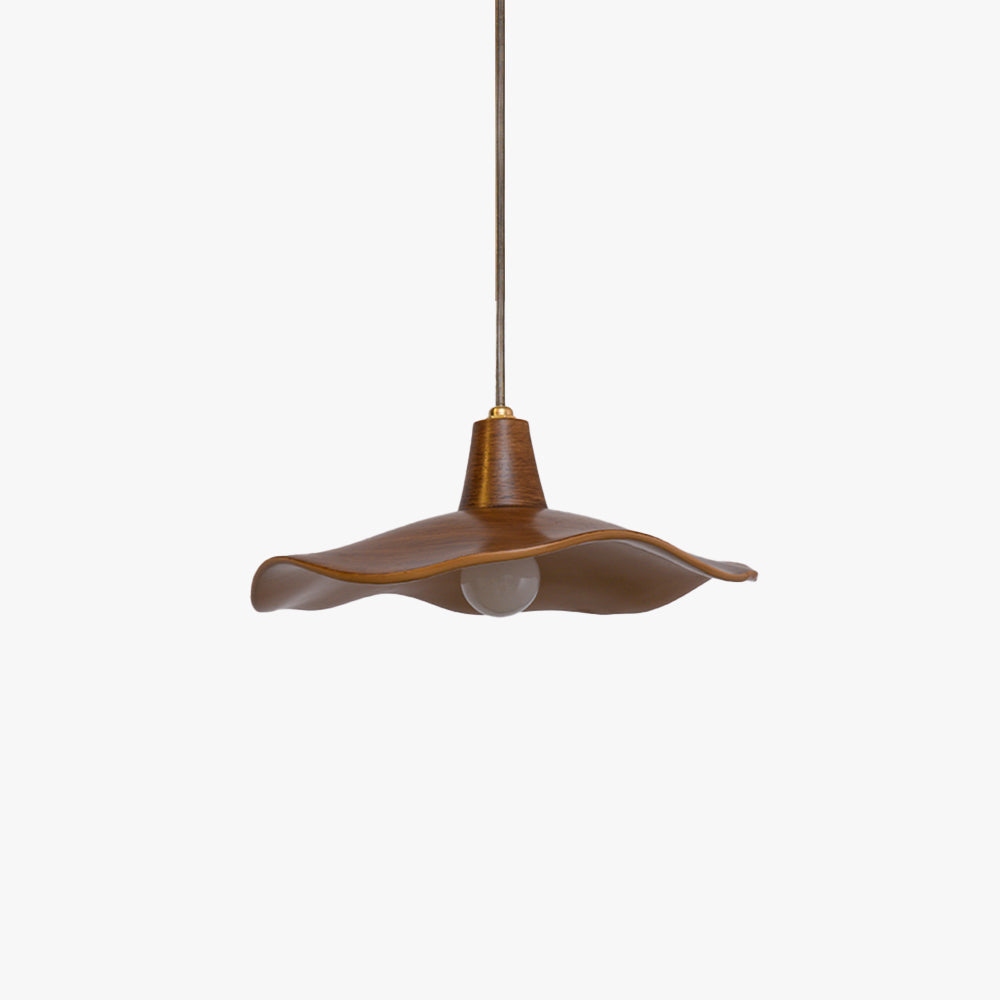
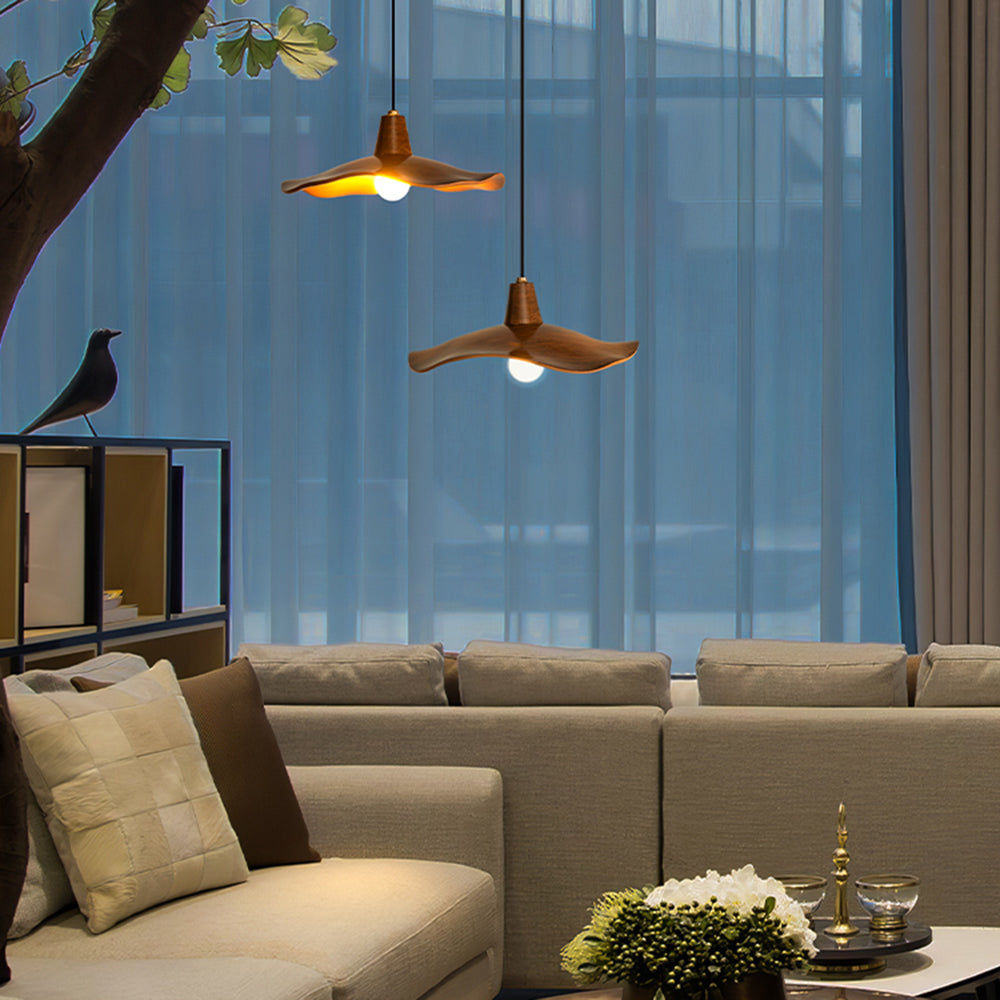
Carins Pendant Light Wave Retro, Mahogany/Resin, Dining Room
From £219.99 GBP -
Edge Coppery & Nickel Indoor Wall Lamp, Metal/Acrylic
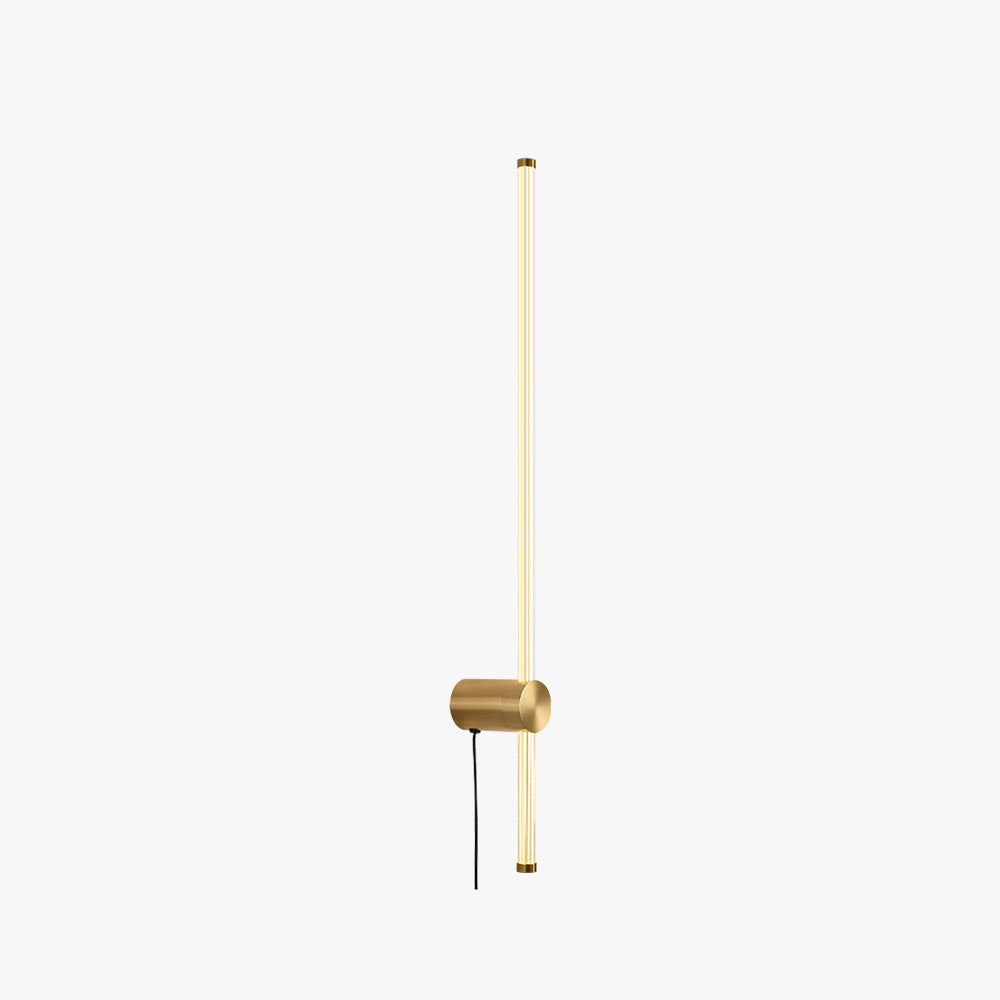
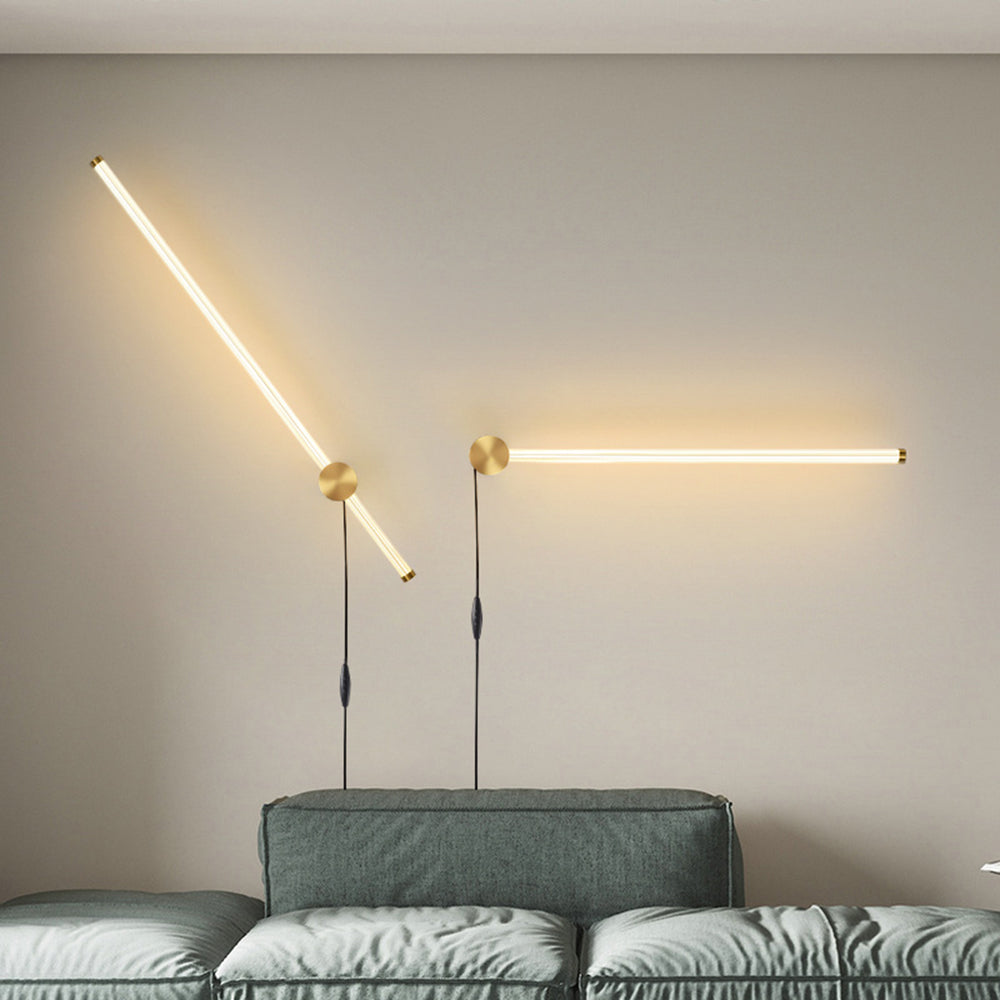
Edge Coppery & Nickel Indoor Wall Lamp, Metal/Acrylic
From £89.99 GBP -
Edge Minimalist Linear Pendant Light, Black

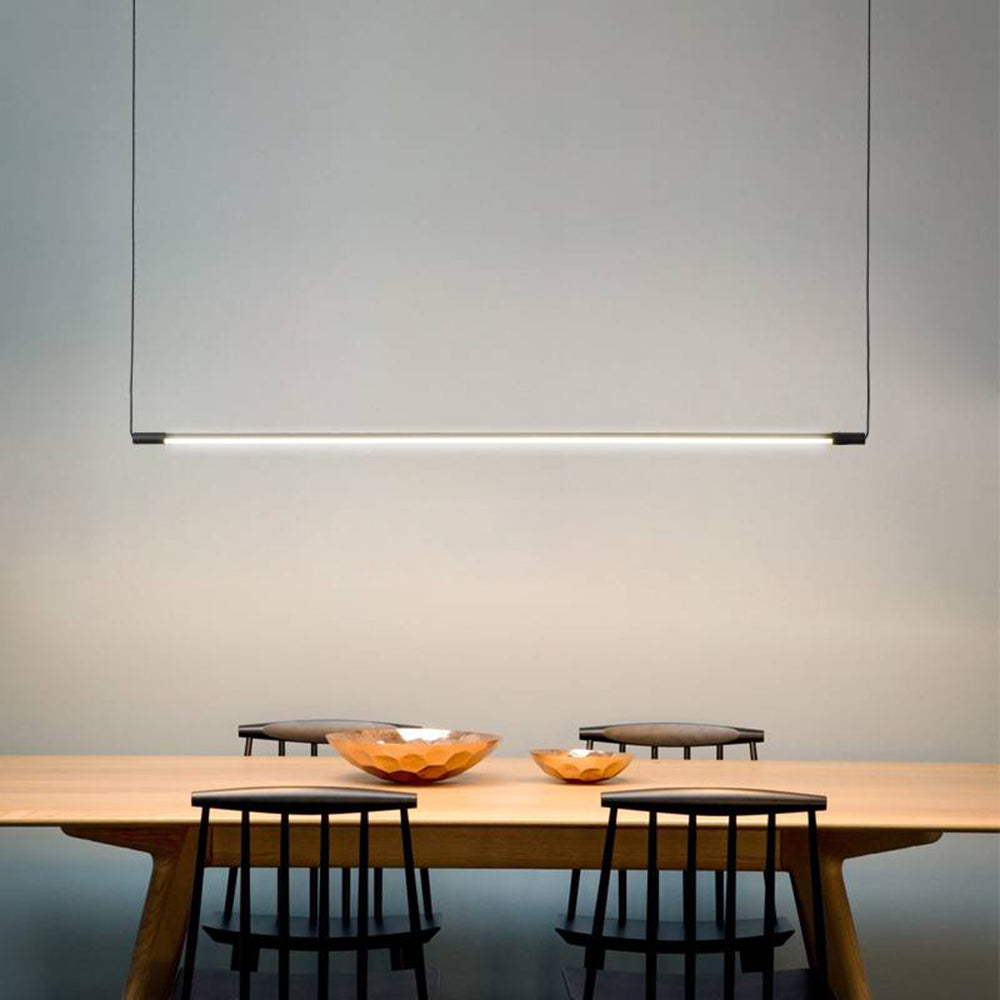
Edge Minimalist Linear Pendant Light, Black
From £89.99 GBP -
Edge Minimalist Linear Dining Room/Bar Pendant Light
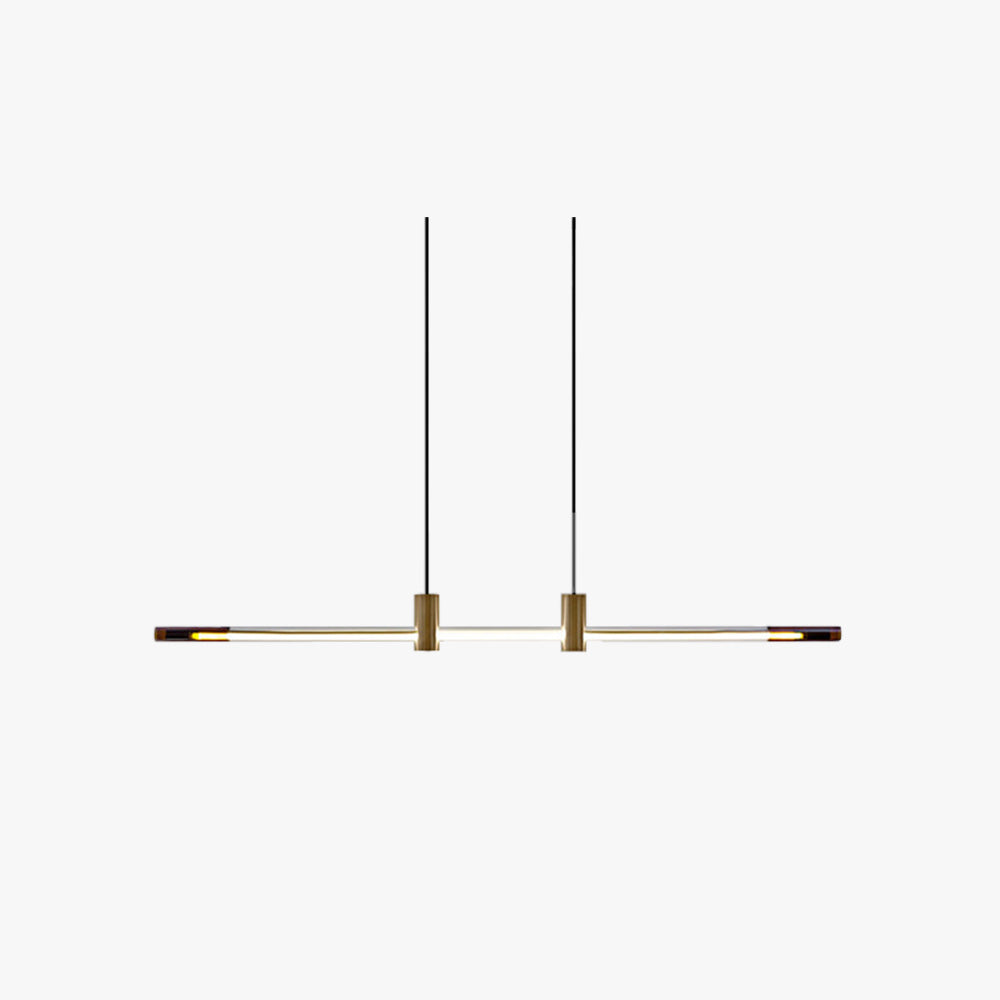
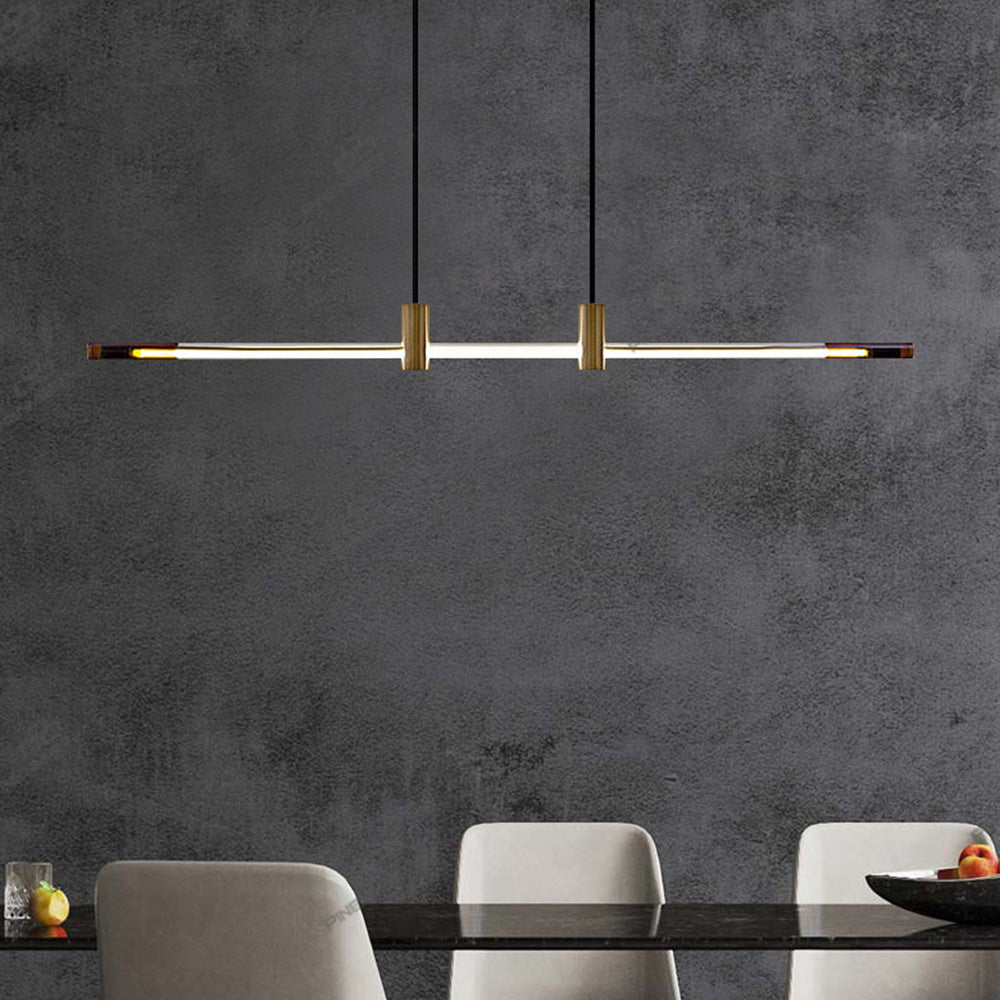
Edge Minimalist Linear Dining Room/Bar Pendant Light
From £189.99 GBP -
Edge Minimalist Linear Aluminium/PVC Pendant Light, Gold
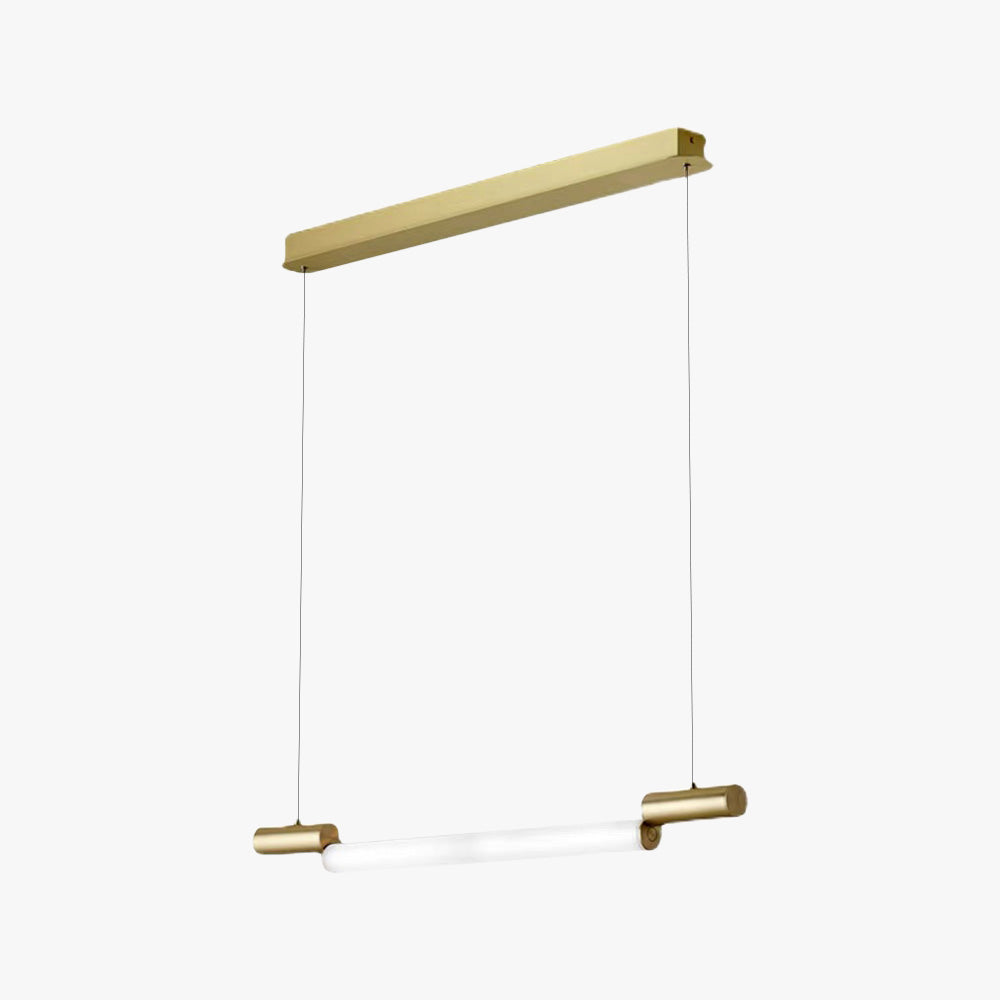
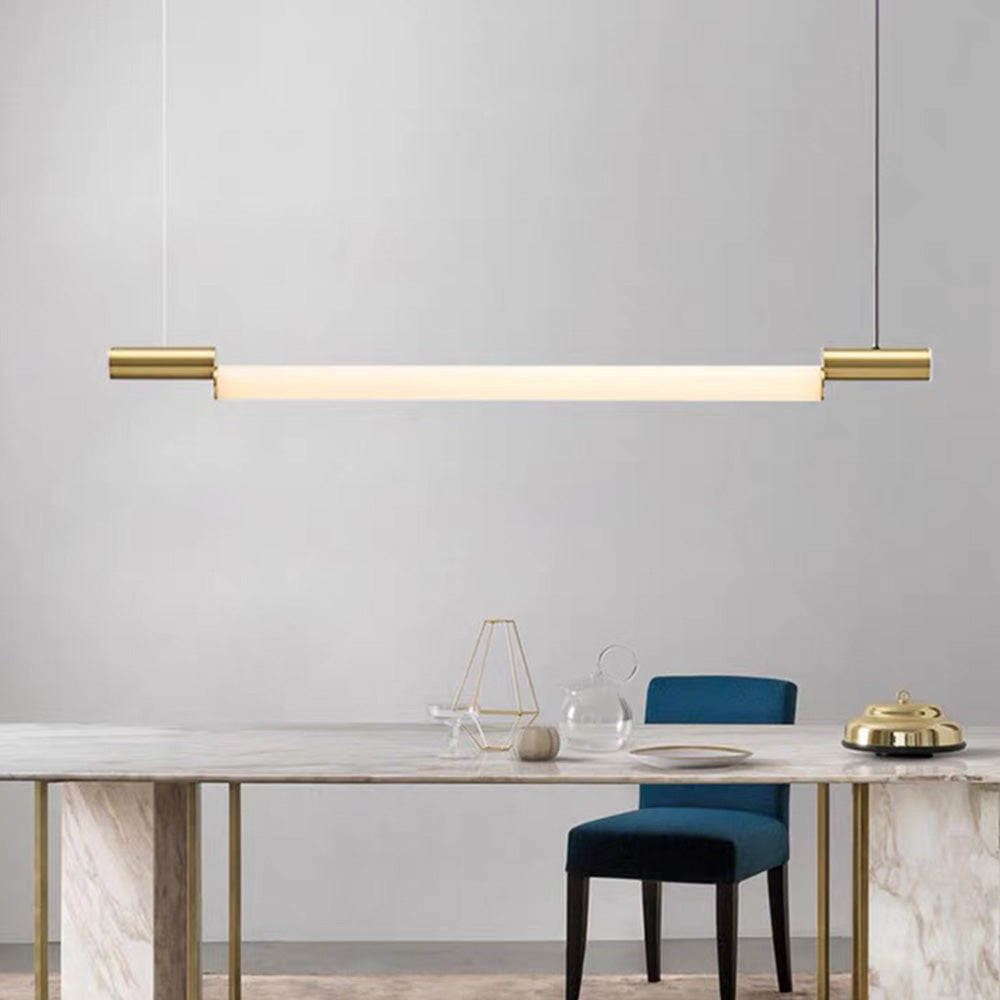
Edge Minimalist Linear Aluminium/PVC Pendant Light, Gold
£219.99 GBP -
Edge Minimalist Cylinder Black Pendant Light
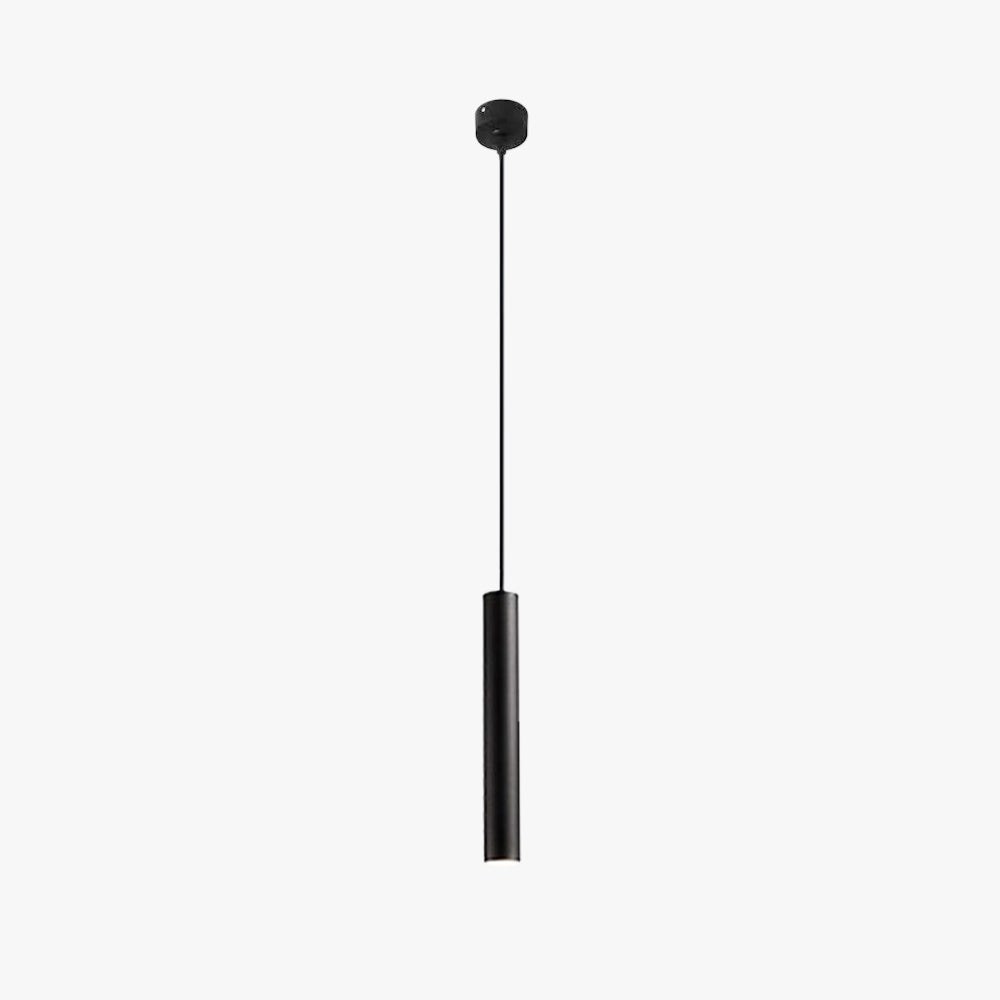
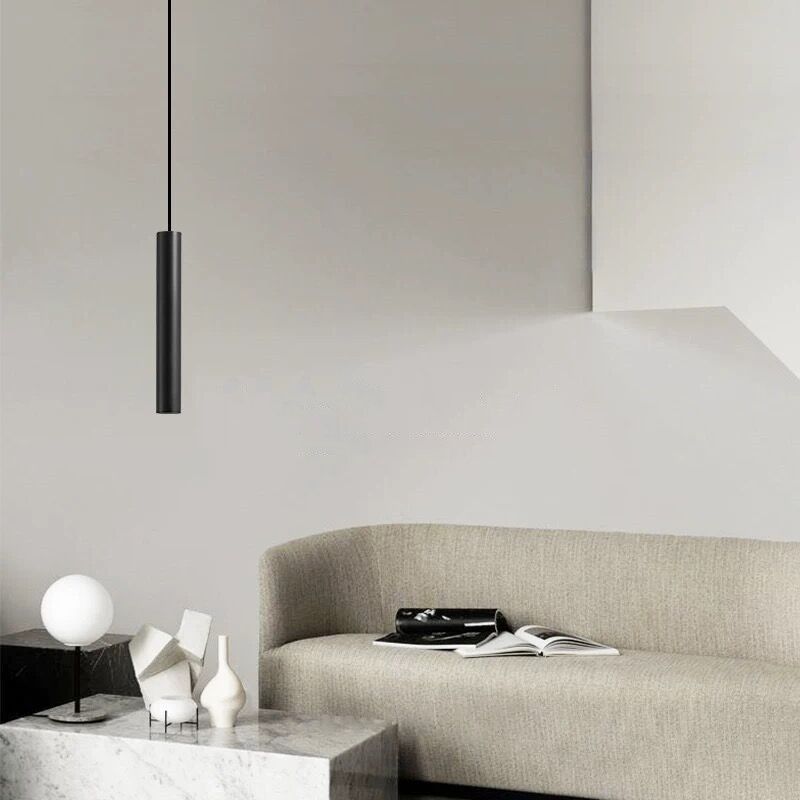
Edge Minimalist Cylinder Black Pendant Light
From £79.99 GBP -
Edge Minimalist Linear Metal Pendant Light, Living Room, Black
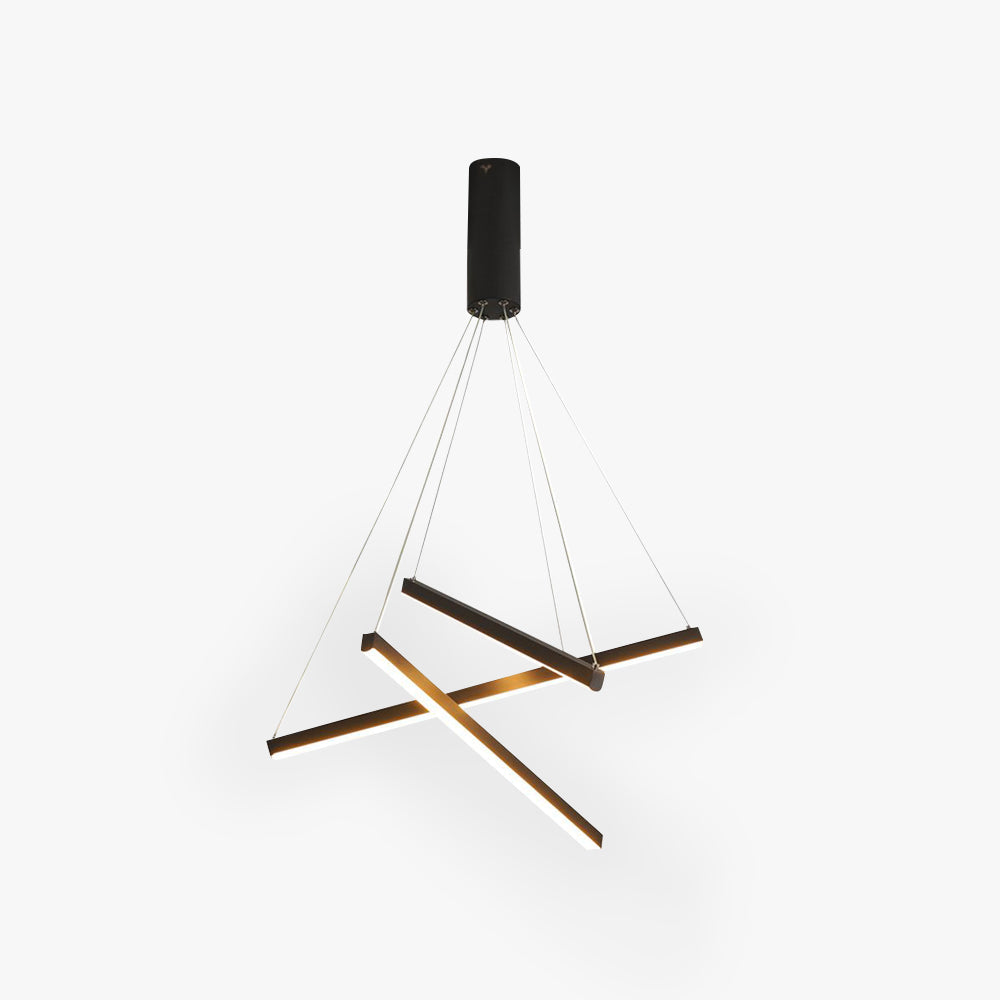
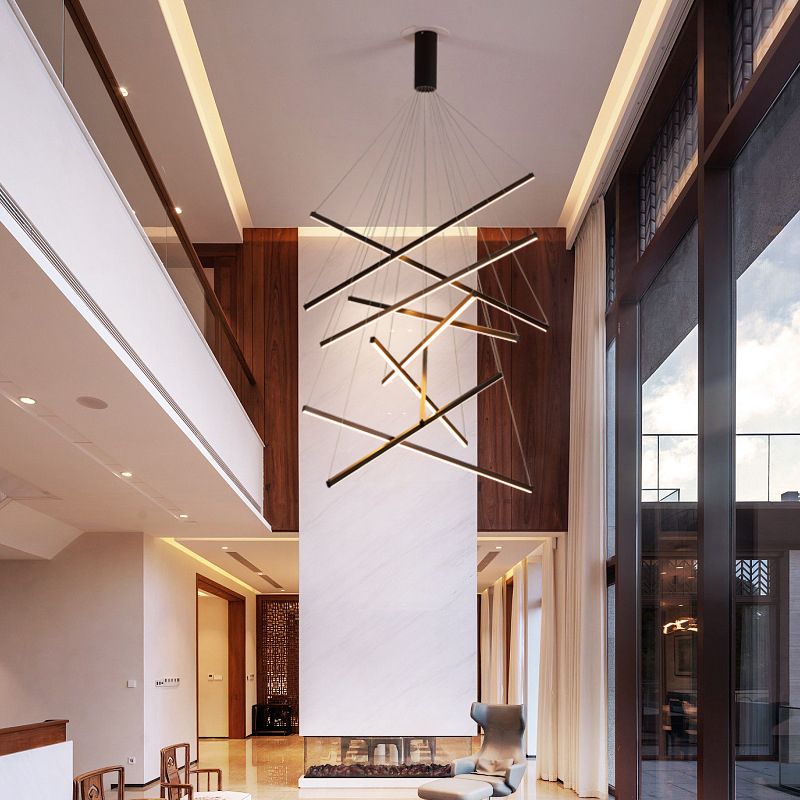
Edge Minimalist Linear Metal Pendant Light, Living Room, Black
From £199.99 GBP -
Edge Desinger Cylindrical Shape Linear Pendant Light, 36.6"/48"
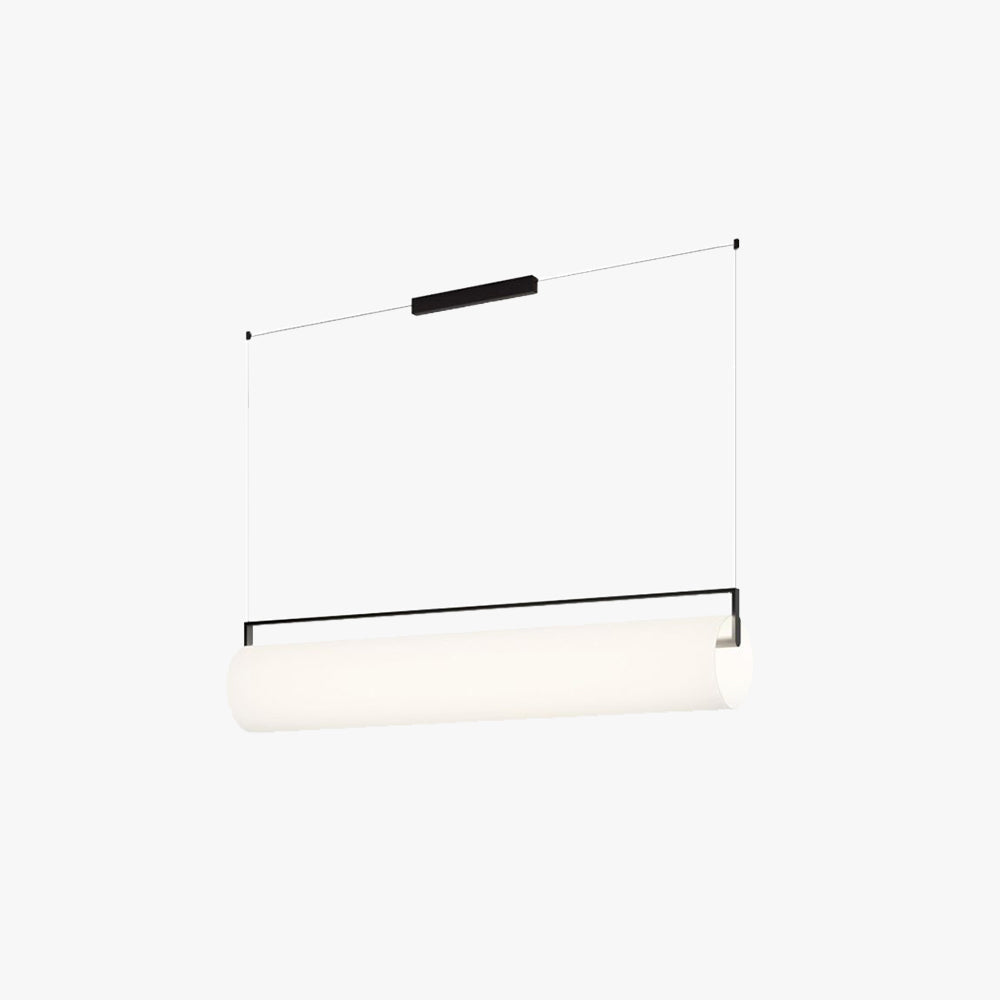
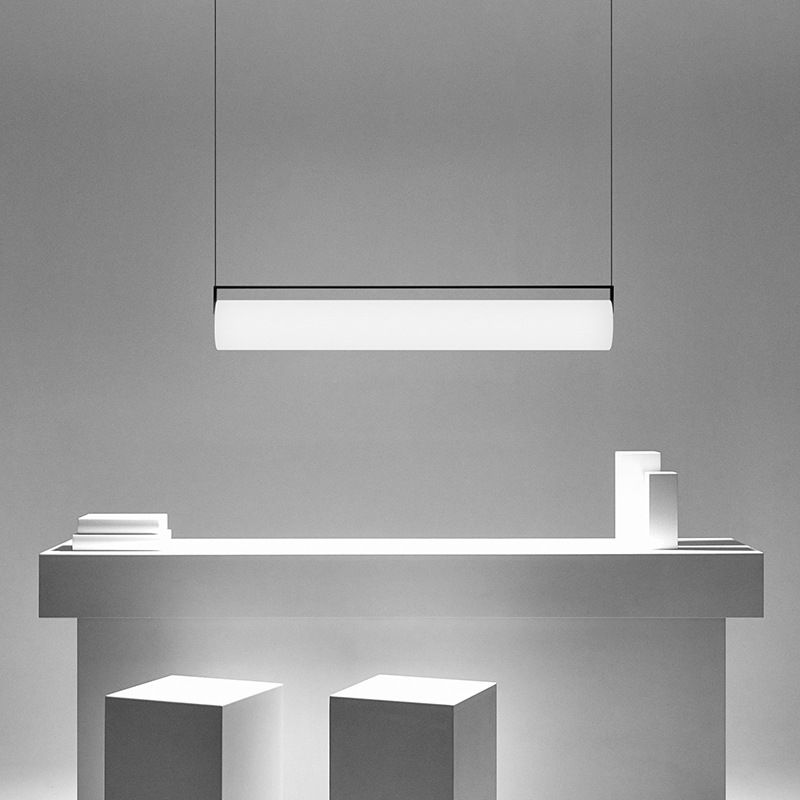
Edge Desinger Cylindrical Shape Linear Pendant Light, 36.6"/48"
From £329.99 GBP -
Edge Modern Linear Metal&Acrylic Bedroom Wall Lamp, Black/Brass
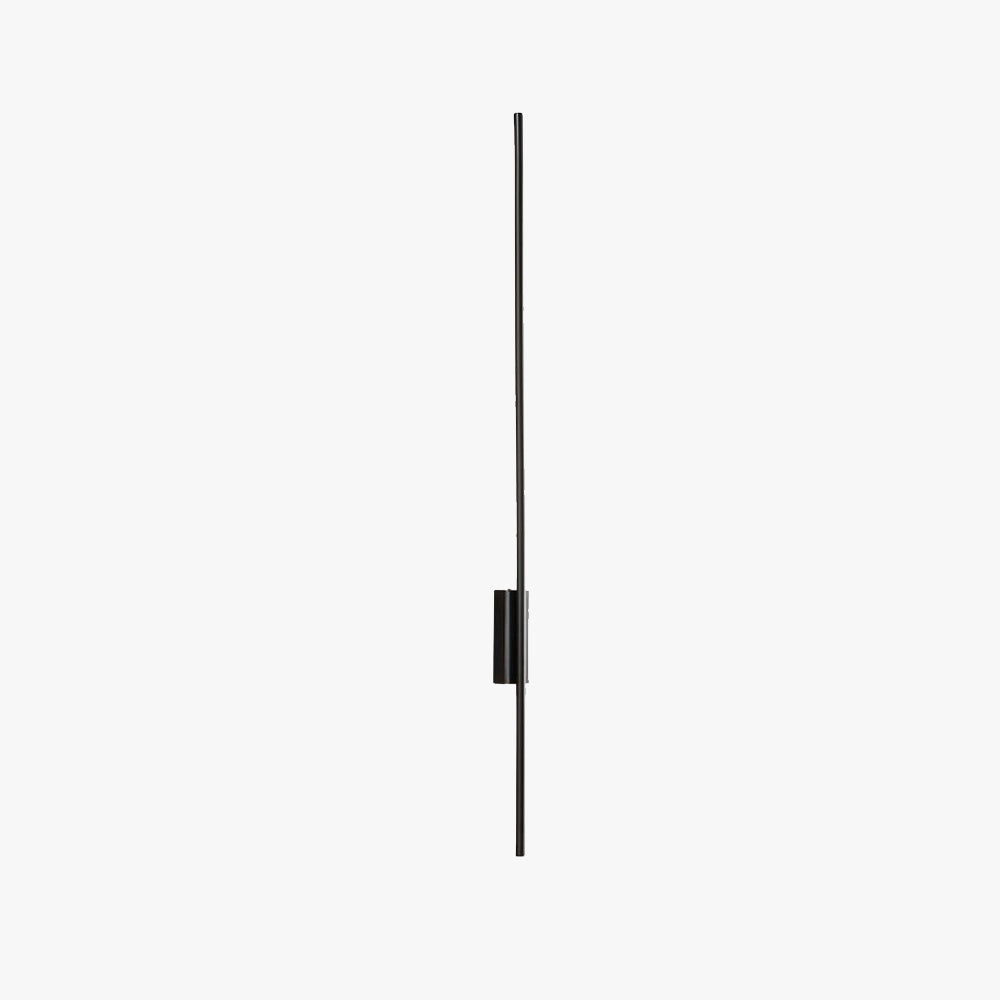

Edge Modern Linear Metal&Acrylic Bedroom Wall Lamp, Black/Brass
From £129.99 GBP -
-
Elif Modern Planet Flush Mount Ceiling Light, Living Room
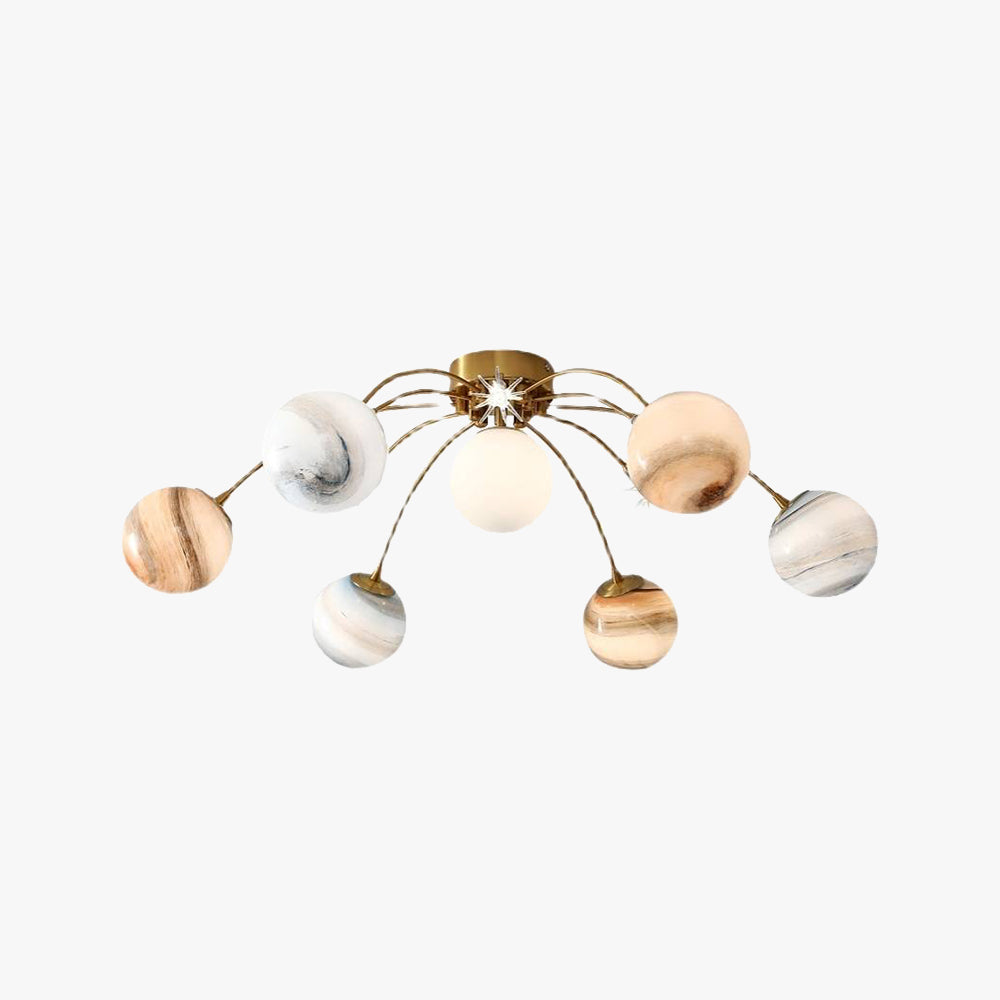
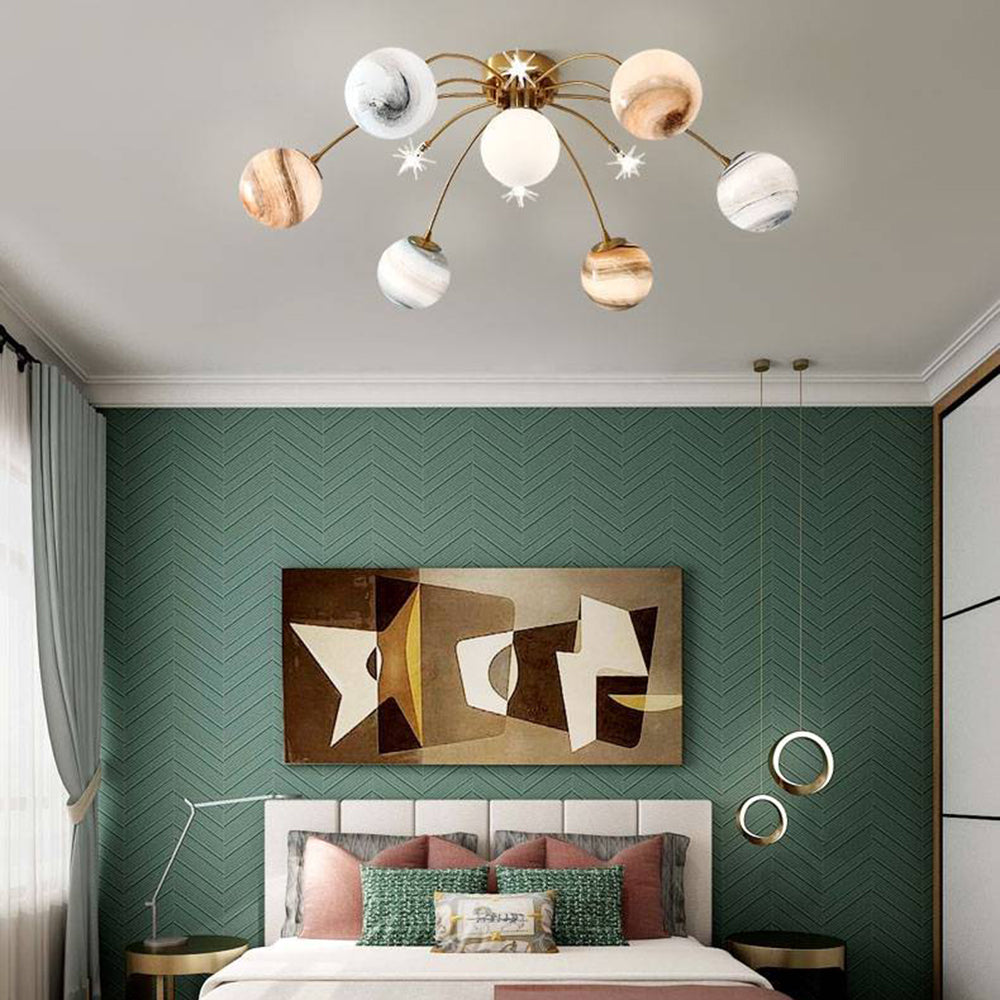
Elif Modern Planet Flush Mount Ceiling Light, Living Room
£239.99 GBP -
Evette Modern Round/Oval Acrylic/Metal Pendant Light, Gold
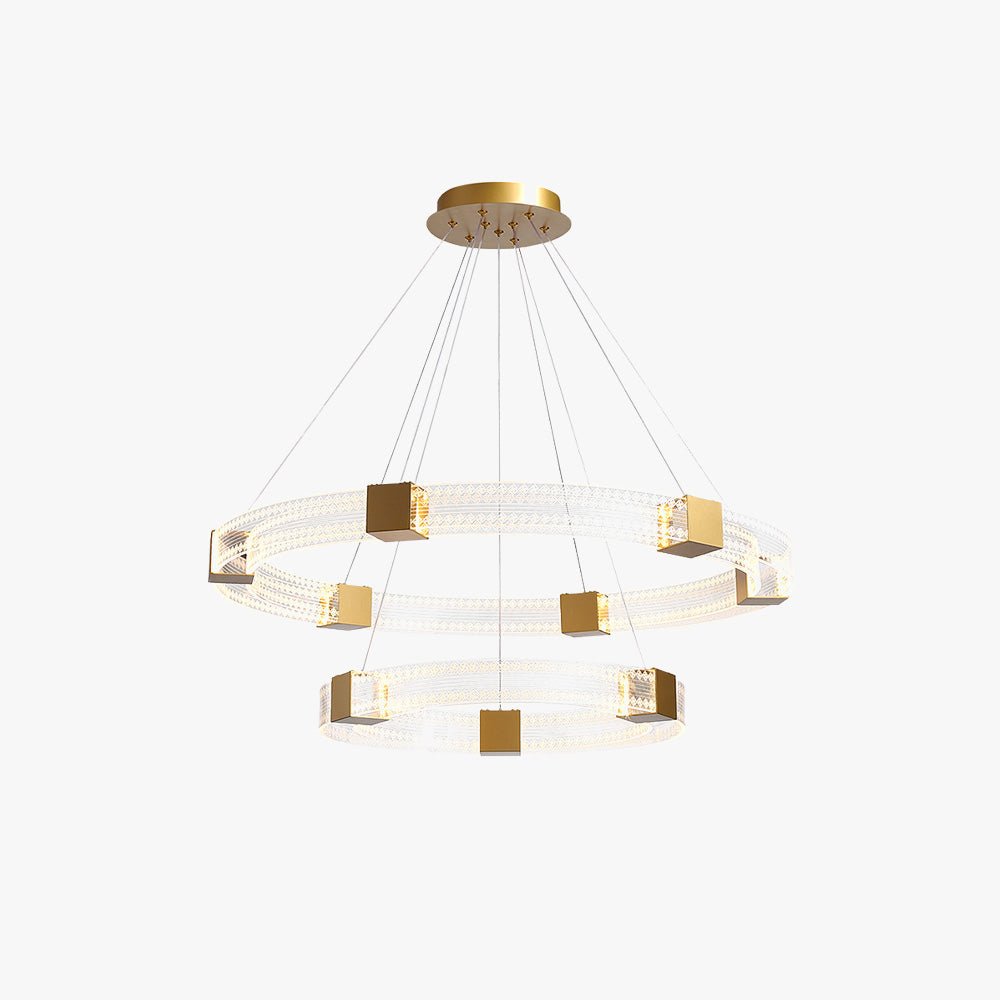
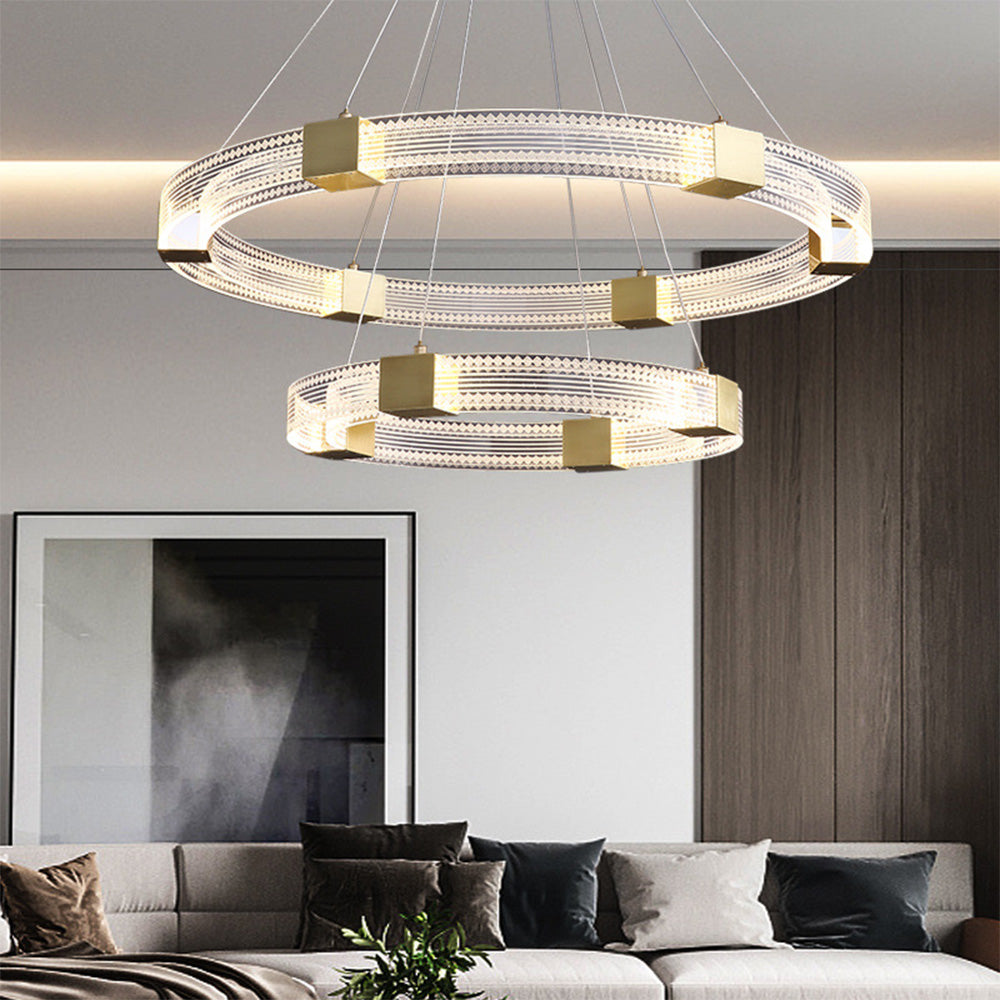
Evette Modern Round/Oval Acrylic/Metal Pendant Light, Gold
From £169.99 GBP

Lighting for Your Home and Study Office – Stylish and Practical Choices
Desk and Office Lamps for a Productive Workspace
As remote work continues to rise, more people than ever are designing personalized home offices tailored to their unique needs. Unlike traditional corporate spaces with uniform lighting, home offices offer the freedom to customize lighting to enhance productivity and comfort. Optimal lighting not only reduces eye strain during long work hours but also boosts focus, mood, and overall well-being. By incorporating ergonomic furniture, natural light, and adjustable LED options, individuals can create a workspace that aligns with their preferences and work style. Investing in the right lighting setup transforms the home office into a functional, inspiring environment, making workdays more efficient and enjoyable. This trend reflects the growing importance of creating spaces that support both professional and personal well-being.
Ceiling Lights for Even, Comfortable Lighting
Pendant Lights for Targeted Illumination
Pendant lights are an excellent solution for delivering direct, focused lighting to workspaces, making them a practical and stylish choice for areas where furniture placement remains consistent. By installing pendant lights in the optimal location, you can ensure consistent, efficient illumination that enhances productivity and reduces eye strain. These versatile fixtures are particularly ideal for kitchens, dining rooms, home offices, and craft areas, where task lighting is essential. With a wide range of designs, from modern minimalist to vintage-inspired, pendant lights not only provide functional lighting but also serve as a decorative element, elevating the overall aesthetic of your space. Their adjustable height and targeted light distribution make them a smart, energy-efficient lighting option for any room.
Wall Lamps for the Study: A Better Lighting Solution
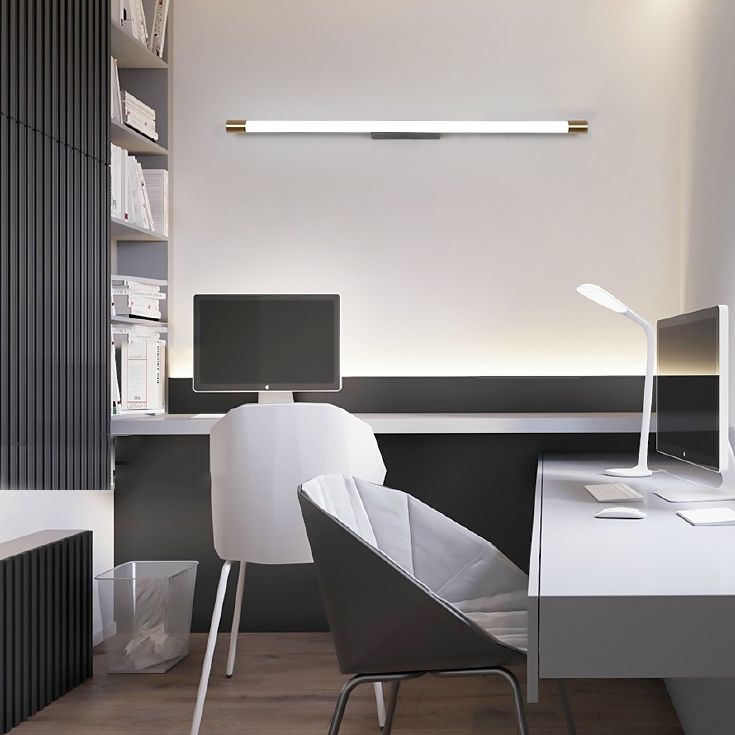
Wall lamps are a great way to improve lighting in a home office, making the space brighter and more comfortable. Instead of relying only on overhead lights, wall-mounted fixtures provide additional brightness without taking up desk space. It's important to choose designs that prevent direct exposure to the light source, as exposed bulbs can cause glare and strain the eyes. Soft, diffused lighting works best for a study area, creating a well-lit environment for reading, writing, and working on a computer. Proper lighting placement on walls ensures even distribution, making long hours at the desk much easier on the eyes.
Key Aspects of Home Office Lighting for Better Productivity
Lumen – How Bright Should It Be?
Lumen measures the brightness of a light source, and understanding this metric is essential for creating the perfect lighting environment. For general room lighting, such as in living rooms or bedrooms, aim for 100-150 lumens per square meter to ensure the space feels inviting and well-lit. However, when it comes to task-oriented areas like a home office or study desk, a stronger output of 400-500 lumens is recommended to enhance focus and reduce eye strain during activities like reading, writing, or working on detailed projects. By tailoring lumen levels to specific needs, you can optimize both comfort and functionality in any space.
Kelvin – Choosing the Right Light Tone
The color temperature of light, measured in Kelvin (K), plays a crucial role in shaping the ambiance and mood of any space. For daytime activities, especially work or tasks requiring focus, a color temperature range of 3,300–5,300 K, often referred to as "universal white," is ideal. This cooler, brighter light promotes alertness and productivity. In the evening, however, switching to a warmer light below 3,300 K, known as "warm white," creates a cozy and relaxing atmosphere, helping you unwind and prepare for rest. To seamlessly transition between these settings, consider using lights with adjustable color temperatures, often equipped with a CCT (Correlated Color Temperature) function. This feature allows you to customize lighting to suit your needs, enhancing both functionality and comfort in your home or workspace.
Save Energy and Reduce Costs in Your Home Office
Lighting in a home office stays on for hours every day, leading to high energy use. Switching to energy-efficient bulbs can cut electricity costs significantly. Traditional incandescent bulbs produce just 10 lumens per watt, while standard LED bulbs deliver about 100 lumens. The latest energy-efficient LED bulbs in class A go even further, reaching 200 lumens per watt. This means better brightness with lower power consumption, helping to reduce bills while providing the lighting needed for work. Upgrading to LEDs is a smart choice for long-term savings and efficient lighting in any workspace.
Top FAQS About Home Office Lighting
Good lighting for a home office means ensuring both the desk and the entire room are well-lit. This usually involves combining different light sources, like a ceiling light for overall brightness and a desk lamp for tasks such as reading or working on a computer. To prevent glare, it's important to avoid direct light sources or reflections from shiny surfaces, like glossy papers. A cool, white light (3,300–5,300 Kelvin) works best in most home office settings. Some lights with adjustable brightness and color temperature are ideal for custom comfort but aren't essential.
2. Which Light Color is Best for a Home Office?
A neutral white light (3,300–5,300 Kelvin) is the most popular choice for home offices because it's easy on the eyes and keeps you focused. Warm white light (below 3,300 Kelvin) is better for evening use, as it helps you relax. If you want a single light that suits different moods or times of day, smart bulbs that change light color can help you create the right atmosphere with ease.
3. How Can You Prevent Eye Fatigue While Working?
For a comfortable workspace that doesn’t strain your eyes, proper lighting placement is key. Avoid glare, shadows, and reflections on the screen by positioning the desk lamp or ceiling light correctly. Place your computer screen to the side of the window, so direct sunlight doesn't cause glare. The right light color, like cool white (3,300–5,300 Kelvin) or daylight white (above 5,300 Kelvin), can also help reduce eye strain. Some lighting systems even adjust based on the time of day, offering additional comfort.
4. How Do I Create a Productive Working Environment at Home?
To create a productive work environment, set up your lights in a way that provides enough brightness without being harsh. Adjustable light colors are great for customizing your workspace. To further improve the atmosphere, make sure the room temperature stays around 20°C and ventilate regularly. A good tip is to take small breaks during the day—stand up and look into the distance to rest your eyes from the screen.
5. Does the VDU Workplace Ordinance Apply to Home Offices, and What Does This Mean for Lighting?
While home offices are not required to follow specific lighting regulations, they can still benefit from the standards used in professional office settings. For example, European standards like DIN EN 12464-1 outline key factors like color rendering, light intensity, and avoiding glare. You don't have to follow these standards exactly, but they provide a good framework for creating a comfortable and functional home office lighting setup.